Mauritius: A Practical Introduction to the Island
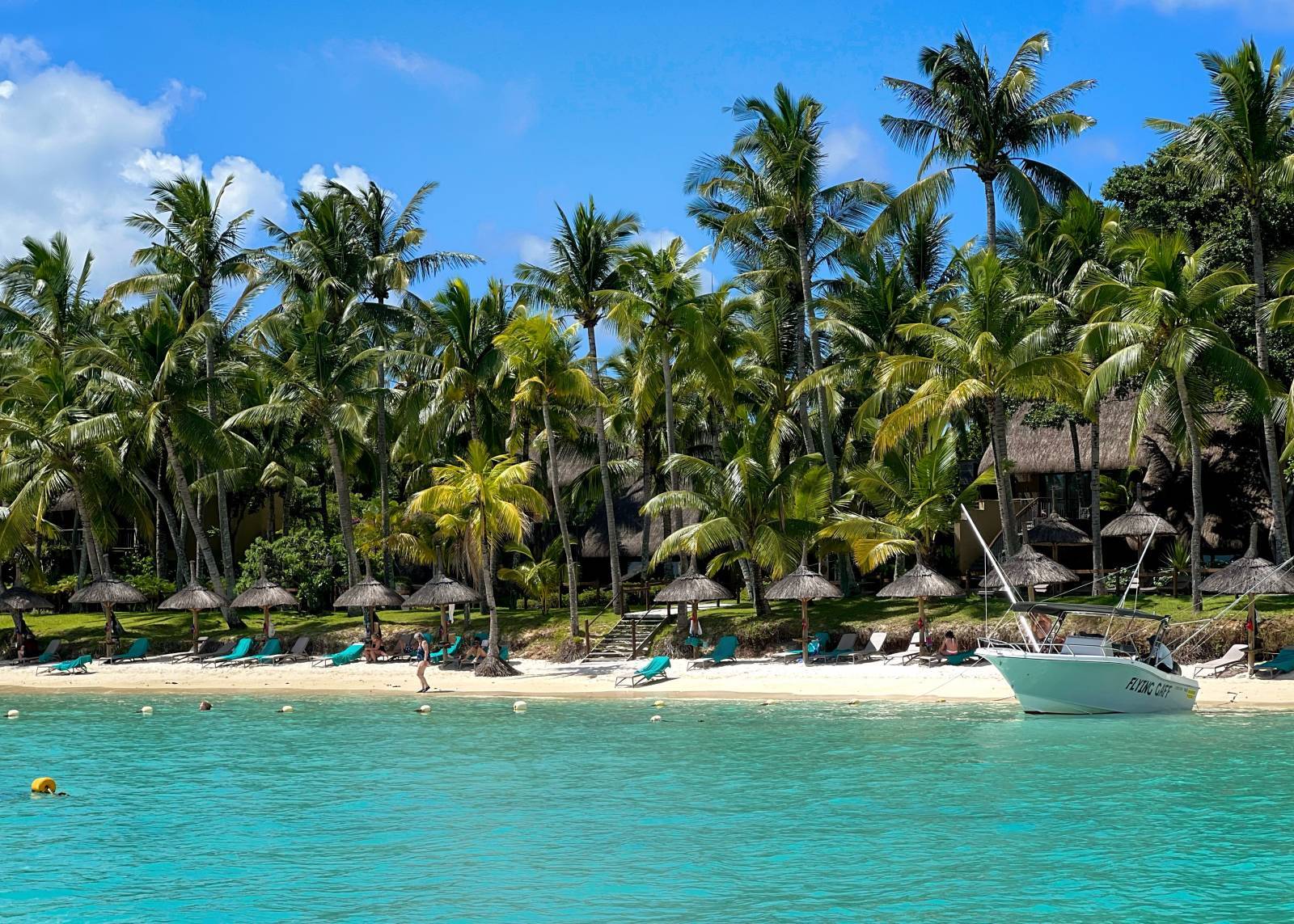
Mauritius is often marketed as a classic luxury beach destination: turquoise lagoons, palm trees, white sand and a resort pool facing the ocean. All of that exists, but it is only one side of the island. Within a few days, you can also see volcanic mountains, protected forests, sugarcane fields, Hindu temples, Creole villages, colonial-era architecture and coastlines that feel surprisingly different from one another.
The island is compact enough to explore without constantly changing hotels, which makes Mauritius suitable not only for a short holiday but also for independent travel and longer stays. Roads are generally good, mobile 4G/5G coverage is widely available, apartments and villas are easy to find outside the resort market, and the country has a Premium Visa aimed at long-stay visitors and remote workers.
This guide is intended as a practical introduction to Mauritius in 2026: where the country is, how the different parts of the island compare, when to visit, what to see beyond the beaches and what first-time visitors should know before arriving.
| Mauritius at a glance | |
|---|---|
| Capital | Port Louis |
| Currency | Mauritian rupee (MUR) |
| Population of the republic | about 1.24 million |
| Population of the main island | about 1.195 million |
| Highest point | Piton de la Petite Rivière Noire, 828 m |
| Languages most useful in daily life | Mauritian Creole, French and English |
| Driving | Left-hand traffic |
| Most flexible way to explore | Rental car |
| Warmer, wetter season | roughly November to April |
| Cooler, drier season | roughly May to October |
| Entry | Many nationalities can visit without arranging a visa in advance |
| Long stays | Premium Visa for up to one year, renewable |
Where is Mauritius — and what does “Mauritius” actually include?
Mauritius is an island country in the south-western Indian Ocean, east of Madagascar. Politically and geographically it is part of Africa, even though it lies far from the continental coastline.
It is useful to distinguish the island of Mauritius from the Republic of Mauritius. The country also includes Rodrigues and several smaller islands and island groups. According to Statistics Mauritius, the republic had a population of roughly 1.24 million in mid-2026, with about 1.195 million living on the main island.
The republic covers roughly 2,040 square kilometres. On a map the main island looks small enough to cross quickly, but driving times can be deceptive. Roads pass through towns and villages, traffic around densely populated areas can be heavy, and the mountainous south-west is crossed by winding roads.
Mauritius is volcanic in origin. Its highest point is Piton de la Petite Rivière Noire at 828 metres, in the south-west near Black River Gorges National Park. The central plateau is cooler and wetter than much of the coast, while most tourism is concentrated around the shoreline.
Climate: Mauritius does not have one identical season everywhere
Mauritius can be visited throughout the year, but both season and location matter.
The warmer, wetter season runs roughly from November to April. Coastal daytime temperatures are commonly around 28–33°C, and the sea is usually around 26–30°C. January to March tend to be among the hotter and wetter months.
From around May to October, conditions are generally cooler and drier. Daytime temperatures on the coast are often around 22–28°C, with sea temperatures closer to 22–25°C. This is still tropical weather, but evenings can feel cool, particularly on the central plateau.
There are also important regional differences. The north and west are generally perceived as sunnier and drier, while the east is more exposed to the trade winds. The central plateau receives considerably more rain and is often cooler than the coastal areas.
The tropical cyclone season in the south-west Indian Ocean falls mainly during the warmer part of the year. A cyclone does not affect Mauritius every time you visit between November and April, but travellers during this period should monitor Mauritius Meteorological Services forecasts.
For many visitors, April–May and October–November can offer a useful balance between warm sea temperatures and less intense heat. There is no single perfect month, however: the best choice depends on which coast you plan to stay on and what you want to do.
Which part of Mauritius should you stay in?
One of the easiest mistakes on a first trip is assuming that location does not matter because the island is small. In reality, the main coastal areas feel quite different.
The north and Grand Baie form the liveliest tourism hub. This is where you will find the largest concentration of restaurants, bars, shopping centres, boat trips and accommodation at different price levels. If you want to be able to walk out of an apartment in the evening and have plenty of places to eat or drink nearby, the north is one of the easiest choices. Pereybere, Mont Choisy and Trou aux Biches are also nearby and have popular beaches.
The west — Flic-en-Flac, Tamarin and Black River — works particularly well for independent travellers and longer stays. Flic-en-Flac has a long public beach, restaurants, supermarkets and many apartments. Tamarin and Black River are quieter and place you closer to the mountains, Le Morne and the main natural attractions of the south-west.
Le Morne and the south-west offer some of the most dramatic scenery on the island. The area combines Le Morne Brabant with a huge lagoon and excellent conditions for kitesurfing. It is beautiful, but less convenient if you want shops, nightlife and a large choice of restaurants within walking distance.
The east coast, including Belle Mare and Trou d’Eau Douce, is known for long beaches, lagoons and large resorts. It is quieter than the north and west, but it is also more exposed to the trade winds, especially during the cooler months.
The south-east — Mahébourg and Blue Bay — feels less like a purpose-built resort area. Mahébourg is a good base for travellers interested in local life and history, while Blue Bay is known for its lagoon and marine park. The international airport is also in the south-east.
The central plateau and Port Louis are usually not the first choice for a beach holiday. Port Louis is worth visiting as the capital, while central towns can be practical for work and everyday life, but they do not provide the coastal experience most visitors come to Mauritius for.
Beaches and the lagoon
Mauritius is not special simply because it has beaches. Its main advantage is the large number of protected lagoons.
A coral reef surrounds much of the island, creating stretches of relatively shallow and calm water between the shore and the open ocean. This is why many Mauritian beaches are better suited to relaxed swimming than exposed ocean beaches elsewhere in the region.
Trou aux Biches, Mont Choisy, Pereybere, Belle Mare, Flic-en-Flac and Blue Bay are among the better-known beach areas. Le Morne is particularly striking because the lagoon sits below the mountain.
Conditions still vary considerably. Some lagoons are ideal for swimming, some remain shallow for a long distance, and others are better for snorkelling, windsurfing or kitesurfing. Beyond the reef, the ocean can be much rougher, with stronger waves and currents.
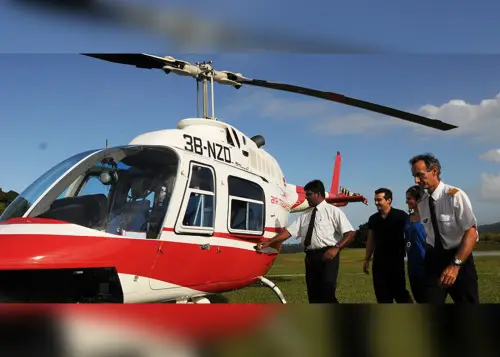
The famous “underwater waterfall” near Le Morne should also be understood correctly. It is not a real waterfall beneath the sea. It is an optical effect created by the underwater topography, moving sand and the sudden drop into deeper ocean beyond the shelf. The illusion is most impressive from the air.
What to see beyond the beaches
A beach-only trip can easily miss much of what makes Mauritius interesting.
Le Morne Brabant
This basalt mountain on the south-west coast is one of the main symbols of Mauritius and a UNESCO World Heritage Site. Le Morne is closely associated with the history of escaped enslaved people and has become a place of remembrance linked to resistance to slavery.
Today visitors come both for the historical significance and for the landscape. Hiking routes on the mountain provide some of the best views over the south-west lagoon.
Black River Gorges National Park
The largest protected natural area on the main island covers more than 6,500 hectares. It contains native forest, hiking trails, viewpoints and the highest point in Mauritius, Piton de la Petite Rivière Noire at 828 metres.
This is one of the best places to see Mauritius without beaches or resorts. Weather inside the park can be noticeably different from the coast: the higher ground is wetter, cooler and often cloudier.
Chamarel
Chamarel is known for its waterfall, volcanic landscape and the Seven Coloured Earth, a small geological area where mineral-rich soil forms visible bands of different colours.
It is a tourist attraction, but it fits naturally into a day that also includes Black River Gorges and the south-west coast.
Grand Bassin
Ganga Talao, usually referred to by visitors as Grand Bassin, is a sacred crater lake and one of the most important Hindu religious sites in Mauritius. It becomes particularly busy during Maha Shivaratri, when large numbers of pilgrims travel there.
The site is a useful reminder that Mauritius is not simply a beach destination. Indian heritage and Hindu religious life remain central to the culture of the country.
Pamplemousses Botanical Garden
The Sir Seewoosagur Ramgoolam Botanical Garden in the north is a historic botanical garden known for its palms, spice plants, water lilies and giant water lilies.
It is worth distinguishing it from Mauritius's wildlife and adventure parks. Pamplemousses is a botanical garden, not a safari park — a detail that older travel articles sometimes blur.
Port Louis and Aapravasi Ghat
The capital feels very different from the resort coast. Port Louis is worth visiting for its market, street food, Caudan Waterfront and historical context.
Aapravasi Ghat, a UNESCO World Heritage Site, is particularly important. During the nineteenth century, the immigration depot received indentured labourers, many from India, who arrived after the abolition of slavery to work on plantations. This migration played a major role in shaping the population and culture of modern Mauritius.
Why Mauritian culture feels so different from many other tropical islands
Mauritius was uninhabited for much of its early history. Dutch settlement began in the seventeenth century, the French later took control, and the island became British in 1810. Mauritius became independent in 1968.
The history of slavery, followed by large-scale indentured migration from India and the arrival of Chinese, African and European communities, produced an unusually diverse society.
Today most Mauritians have Indian ancestry, but Creole, French, Chinese and other traditions remain highly visible. Religion, language, food and public holidays all reflect this mixture.
Mauritian Creole is the language heard most often in everyday conversation. French is extremely common in media, restaurants and daily life, while English is widely used in government, education and business. English-speaking travellers can generally manage without difficulty; speaking some French can make everyday interactions even easier.
Religious diversity is also visible in ordinary neighbourhoods. Hindu temples, churches and mosques may all be found within the same town.
What to eat
Mauritian food is one of the easiest ways to understand the island's history. There is no single cuisine that explains everything: Indian curries sit alongside Chinese noodles, Creole sauces and French-influenced baking.
The best-known street food is dholl puri, a thin flatbread filled with ground yellow split peas and usually served with curry, chutney and pickles. Other dishes worth trying include farata, mine frite (fried noodles), bol renversé, Creole rougaille, fish curry and snacks such as gâteaux piments.
Fish and seafood are common around the coast. Mauritius also produces rum, and sugarcane remains a major feature of the island's landscape and history.
Prices depend heavily on where you eat. Street food and small local restaurants can be inexpensive, while restaurants in luxury hotels or directly on popular beaches may cost several times as much.
Getting around Mauritius
Public buses connect many towns and beaches and are inexpensive. For travellers with a flexible schedule they are perfectly usable, but routes are not always convenient for natural attractions, and transfers can turn a short distance into a long journey.
The Metro Express serves Port Louis and several towns along the central urban corridor. It is important for local transport but has limited relevance for most beach itineraries.
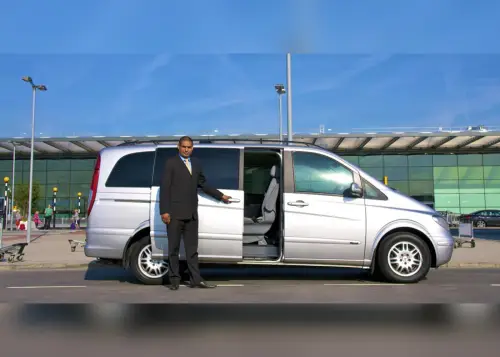
Taxis work well for transfers and occasional trips. If you want to explore independently, however, a rental car is usually the most practical option.
Mauritius drives on the left. Roads are generally good, although village streets can be narrow and rush-hour traffic around Port Louis and other densely populated areas can be heavy.
The island's size can be misleading. Driving from the north to Le Morne, or from the east coast to the west, can take a significant part of the day once traffic, mountain roads and stops are included.
Money, cards and mobile internet
The national currency is the Mauritian rupee, normally written as MUR or Rs.
Visa and Mastercard are widely accepted in hotels, supermarkets, shopping centres and most tourist-oriented businesses. Cash is still useful for markets, street food, small restaurants and some local services.
There is usually no need to exchange a large amount of money before arrival. Banks, ATMs and official currency exchanges are widely available. Because exchange rates change continuously, it is better to check the current rate shortly before travelling rather than rely on a number in a travel article.
Mobile connectivity is generally good. Mauritius has widespread 4G/5G coverage, and tourist SIM cards and eSIMs are available. Packages change over time, so it is worth comparing the major operators after arrival rather than choosing solely on an old price quoted online.
For a normal holiday, hotel Wi-Fi combined with mobile data is usually more than sufficient. For remote work over several months, check the actual fixed-line connection at the specific apartment or house before committing to a long lease.
Entry requirements for Mauritius
Entry rules depend on nationality, so there is no single visa rule that applies to every English-speaking traveller.
According to the Mauritius Passport and Immigration Office, holders of passports from the United Kingdom, United States, Canada and Australia currently do not need to arrange a visa before travel. EU passport holders are also exempt from visa requirements. Other nationalities may receive a visa on arrival or may need to apply in advance, so the official country-by-country visa table should always be checked for the passport being used.
Visa-free travel does not remove the standard immigration requirements. Travellers should hold a passport valid beyond the intended stay, a return or onward ticket, confirmed accommodation and sufficient funds for the trip. The final decision on admission and the permitted length of stay is made by the immigration officer at the border.
All travellers arriving by air must also complete the Mauritius All-in-One Travel Digital Form before travel. The government form is free, and proof of completion is required at boarding.
Health requirements can also change temporarily in response to outbreaks in particular countries, so travellers should check current official guidance shortly before departure rather than relying only on the rules that applied when they booked.
Can you stay in Mauritius for several months?
Mauritius is not only a holiday destination. The Premium Visa is designed for people who want to stay longer while working remotely for an overseas employer, running a business outside Mauritius, retiring or simply spending an extended period on the island.
The Premium Visa allows an eligible visitor to stay for up to one year and can be renewed. The application itself is free.
It does not provide a general right to enter the local labour market. The applicant's main place of business or source of income should remain outside Mauritius, and supporting documentation is required for the long stay.
For remote workers, Mauritius has several practical advantages: short distances, good connectivity, a wide choice of coastal areas and the ability to organise daily life from one base rather than constantly moving.
The obvious drawback is cost. With a good coastal apartment, a rental car and a preference for imported groceries or international restaurants, Mauritius is not a particularly cheap long-stay destination.
A long-stay visa also does not automatically settle tax questions. Anyone working from Mauritius for several months should check the tax rules that apply to their own residence, income and nationality rather than assuming that immigration status and tax residence are the same thing.
Who is Mauritius best for?
Mauritius works especially well for travellers who want excellent beaches but do not want to spend the entire holiday inside a resort. The island is small enough to keep one base while regularly visiting beaches, mountains, waterfalls, temples, towns and restaurants elsewhere.
Travellers who want a large country with major cities, long overland journeys and dozens of historical sites may eventually find the island too compact. Mauritius is not Sri Lanka, Thailand or Indonesia: most of its headline attractions can realistically be seen without spending weeks on the road.
That compactness is also one of its biggest advantages. Mauritius is particularly well suited to a one- or two-week holiday, or to several months of slower living. You can swim in the morning, work for part of the day, drive into the mountains in the afternoon and return to the same apartment in the evening.
The island is more interesting when treated not as a resort backdrop but as a small, modern and culturally unusual country with strong Indian and Creole influences, accessible nature and some of the best protected lagoons in the Indian Ocean.
Information checked: 18 September 2026.
Sources for information that can change: Statistics Mauritius, Government of Mauritius, Passport and Immigration Office, Mauritius Meteorological Services, Mauritius Now, UNESCO World Heritage Centre and Economic Development Board Mauritius. Entry requirements, health rules and visa conditions should always be checked again shortly before travel.
Author: MauriceTop Editorial Team
Comments
Read also
All articles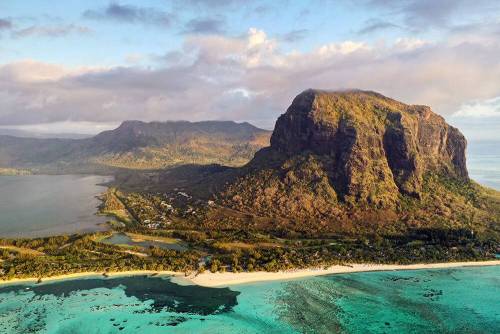
History of Mauritius: From Arab Sailors to the Modern Era
A journey through the history of Mauritius, from Arab sailors and European explorers to independence and the modern republic.
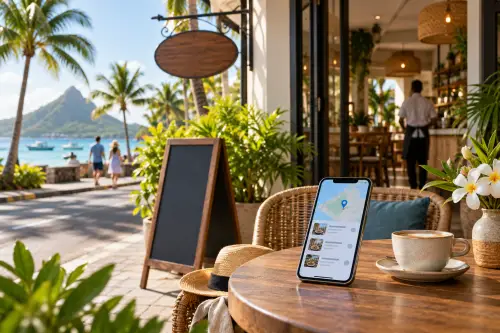
Why a Business in Mauritius Should List Itself in Places & Venues
Why a restaurant, hotel, coworking space or other Mauritius business can benefit from a permanent local-directory listing alongside Google Maps, Instagram and its own website.
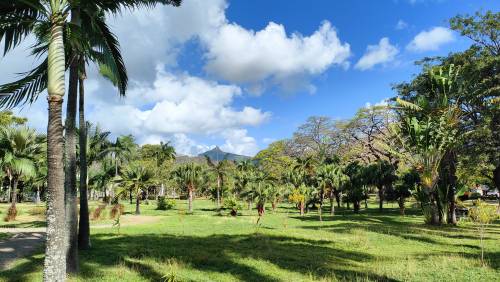
Mauritius’s Unexpected Monument: Lenin in Port Louis
In Port Louis, among historic streets and tropical greenery, Mauritius has an unexpected monument to Lenin. Here is where to find it and why it…
Jobs in Mauritius for Foreigners
Where to look for a job in Mauritius for a foreigner, what areas are in demand, what is the difference between Occupation Permit and Work…
Mauritius Visa Guide: Entry Rules, Visa Types and Long-Stay Options
A practical guide to Mauritius entry rules, visa types, border documents, tourist extensions and the Premium Visa for longer stays.
How to Find the Right Item or Service in Mauritius: Why Post a “Demand” Listing
How to find items, housing, specialists and services in Mauritius with “Demand” listings, including examples, budgets, timing and safety.