













Mauritius: A Practical Introduction to the Island
A practical introduction to Mauritius in 2026, covering climate, regions, beaches, sights, food, transport, connectivity, entry requirements and longer stays.
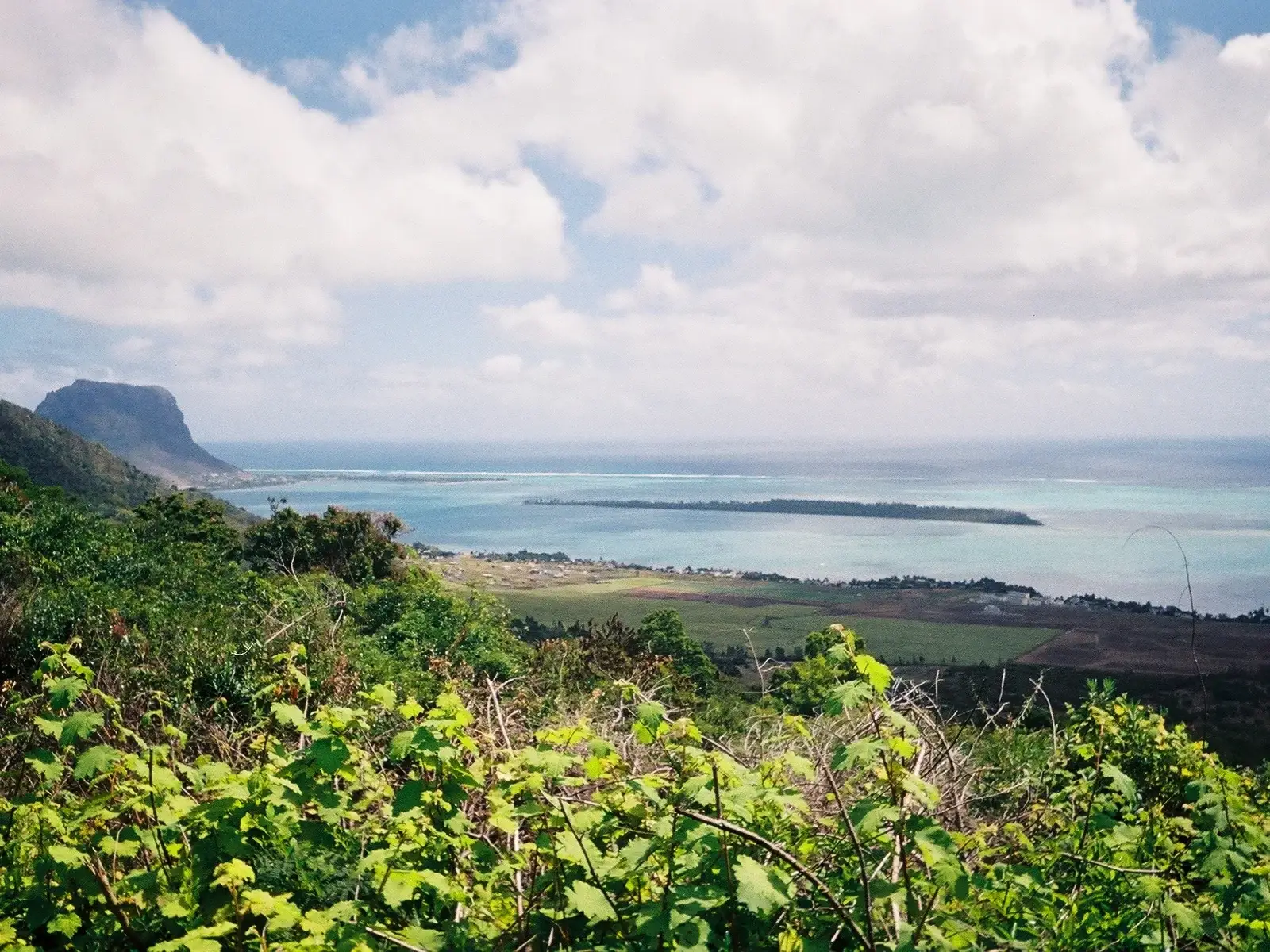
Mauritius Island is the main setting for everyday life, travel and local services in Mauritius, but it is not one uniform resort.
A practical introduction to Mauritius in 2026, covering climate, regions, beaches, sights, food, transport, connectivity, entry requirements and longer stays.

Mauritius is an island where absolutely everything is mixed: European architecture among the tropics, where Indians speak French and dance African sega on weekends on…
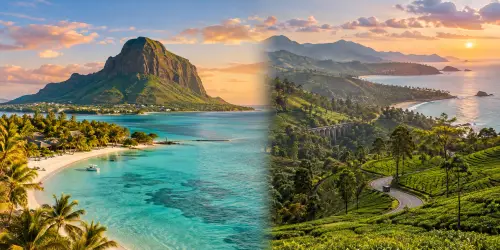
A practical 2026 comparison of Mauritius and Sri Lanka for holidays and longer stays, covering beaches, climate, budget, accommodation, transport, remote work and entry rules.
Mauritius is a small island nation located in the Indian Ocean, and while it may not be as well-known as some other tourist destinations, it…
Mauritius Island is the main setting for everyday life, travel and local services in Mauritius, but it is not one uniform resort. The page brings together the island’s coastal districts, central towns and practical routes so you can decide whether your plans fit a beach neighbourhood, a busy city, a quieter village or a base for moving around the island.
The first choice is often between the coast and the plateau. The west, with places such as Flic en Flac, Tamarin, Grande Rivière Noire and La Gaulette, is attractive to people who want sea access, outdoor activities and a residential rhythm that still has cafés and everyday services. The north combines established beach areas with shopping, restaurants and a denser visitor economy, while villages away from Grand Baie can feel more local and require a different approach to transport and evening plans.
The east is a different proposition. Around Flacq, Centre de Flacq and the villages leading towards Belle Mare or Trou d’Eau Douce, the landscape opens out and daily life is less concentrated in one strip. This can suit someone looking for a calmer base, space for a family or access to the lagoon, but it also makes distance and the availability of a car, taxi or reliable ride more important. A beautiful shoreline does not automatically mean that shops, repairs or late transport are nearby.
The south-east around Mahébourg and Grand Port works well for people who want a town with a strong local routine, access to the coast and a useful connection to the airport area. The south and south-west, including Savanne and the surroundings of Le Morne, appeal to those who value open landscapes, nature and a slower pace. They can also demand more planning: roads, weather, walking distances and the difference between a village service centre and a resort zone matter when choosing a home or arranging work.
Central Mauritius offers another kind of base. Port Louis is the island’s busiest urban and administrative centre, with a dense working day and a very different evening atmosphere. Moka, Saint Pierre, Quatre Bornes, Vacoas-Phoenix, Curepipe and Beau Bassin–Rose Hill are more useful to people comparing schools, offices, markets, healthcare, housing and journeys across the plateau. The central districts may be the better fit when daily errands and connections matter more than waking up beside the lagoon.
When comparing an island location, look beyond the name of a district. Ask how long it takes to reach work, a school, a beach, a market or an airport connection; whether you need a furnished long-stay home or a short visit; and whether your plans depend on evening transport, stable internet, parking or access to tradespeople. A coastal village, a capital address and a plateau town can all be called “Mauritius” while offering very different routines.
People also use this page to find a home, a room, a local guide, transport, repair work, lessons, catering, event help, outdoor equipment or a specialist who understands the island. A family may need a quieter neighbourhood and nearby groceries, while a remote worker may prioritise internet, a desk and a practical route to town. Visitors arranging a few days may instead care about transfers, luggage, activities and the distance between separate bookings.
The catalogue of private and local listings for Mauritius Island gives you a place to publish your own offer and a way to search for something that matches a real island scenario. If you are posting, describe the part of Mauritius you actually serve; if you are looking, compare the district, travel conditions and working arrangement rather than choosing only by a scenic image. The district pages below are useful for narrowing the search when the whole island is too broad.