Mauritius is an island country in the Indian Ocean, east of Madagascar. The main island is volcanic, with a central plateau, mountain ranges, waterfalls and coastal plains surrounded by lagoons and coral reefs. The Republic also includes Rodrigues and several outer islands. Mauritius is compact enough for independent trips, yet each coast has its own landscape, weather and atmosphere.
Climate and the best time to visit
The coast is warm throughout the year. Summer runs approximately from November to April, with usual daytime coastal temperatures of 28–33 °C and sea temperatures around 26–30 °C. Rain is more likely from January to March, and travellers should follow official forecasts and warnings during the tropical-cyclone season.
Winter lasts from May to October and is generally drier and cooler: about 22–28 °C on the coast, with sea temperatures around 22–25 °C. Different months suit different plans: summer is attractive for warm-water beach days, while the drier period is often comfortable for hiking and sightseeing. Mauritius has local microclimates, so a shower on one coast does not necessarily mean bad weather across the island.
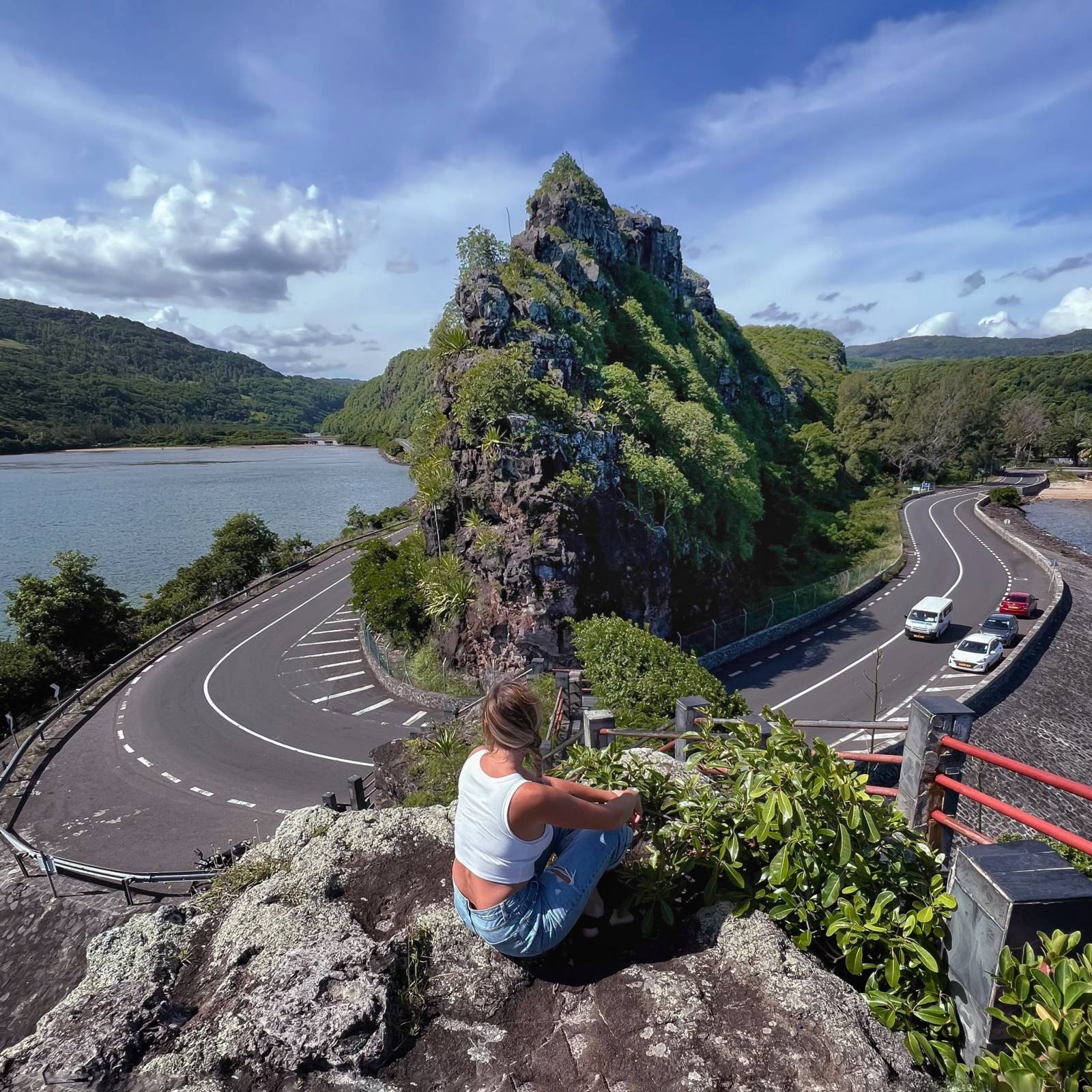
Regions of Mauritius
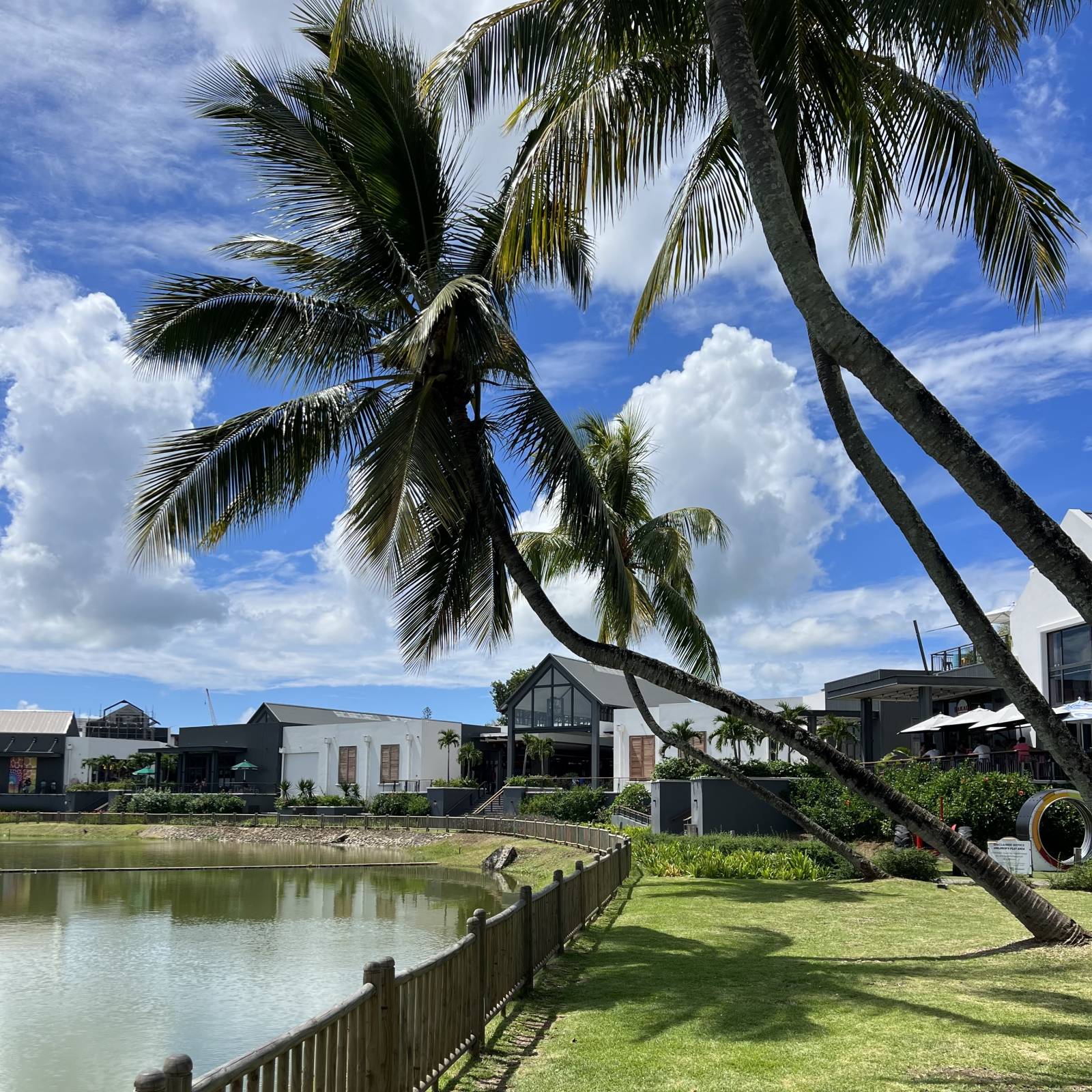
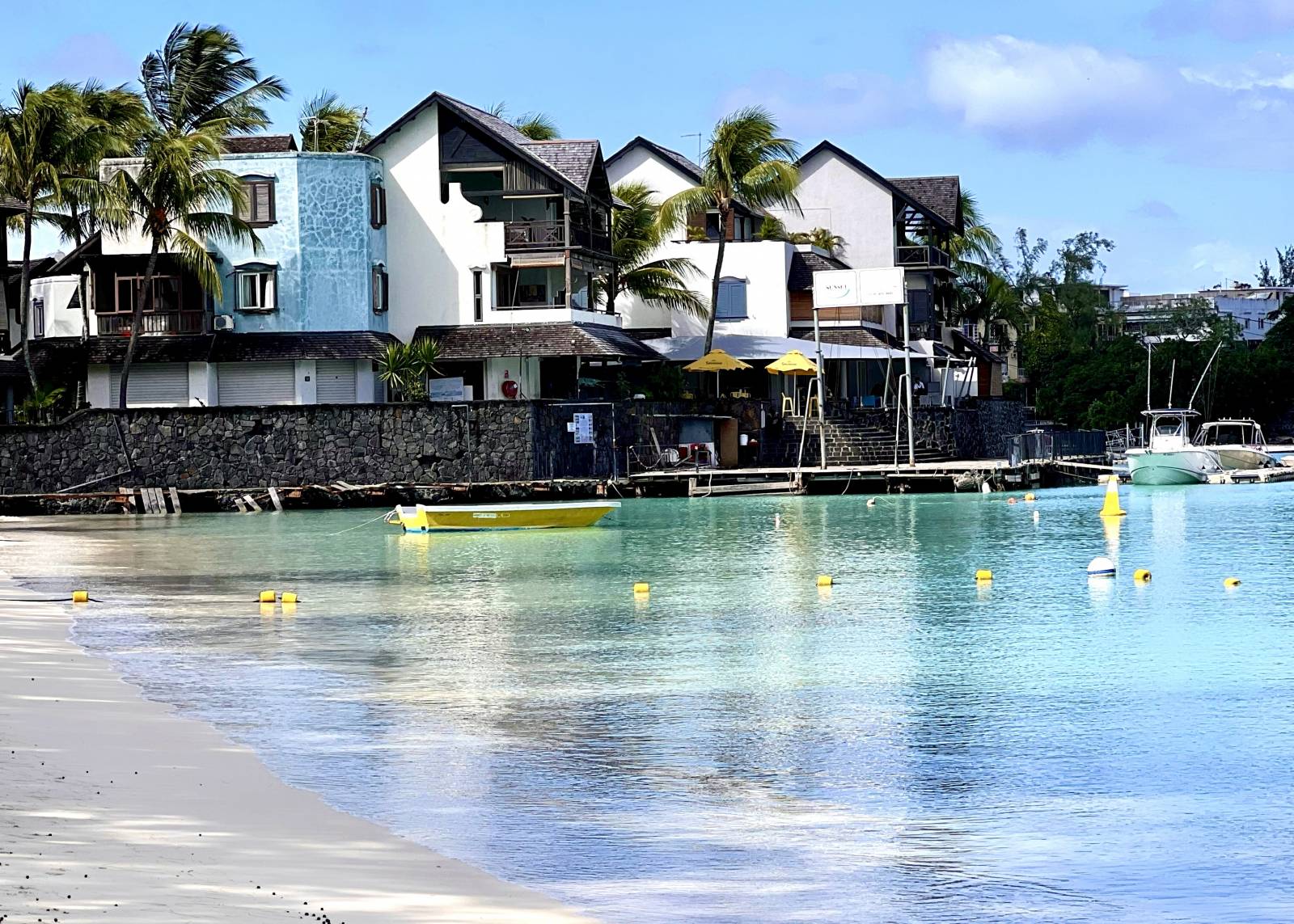
Port Louis and the north. The capital is the place to explore markets, museums, history and contemporary island life. The north includes Grand Baie, Mont Choisy and Trou aux Biches, as well as restaurants, walks and boat trips to the northern islets.
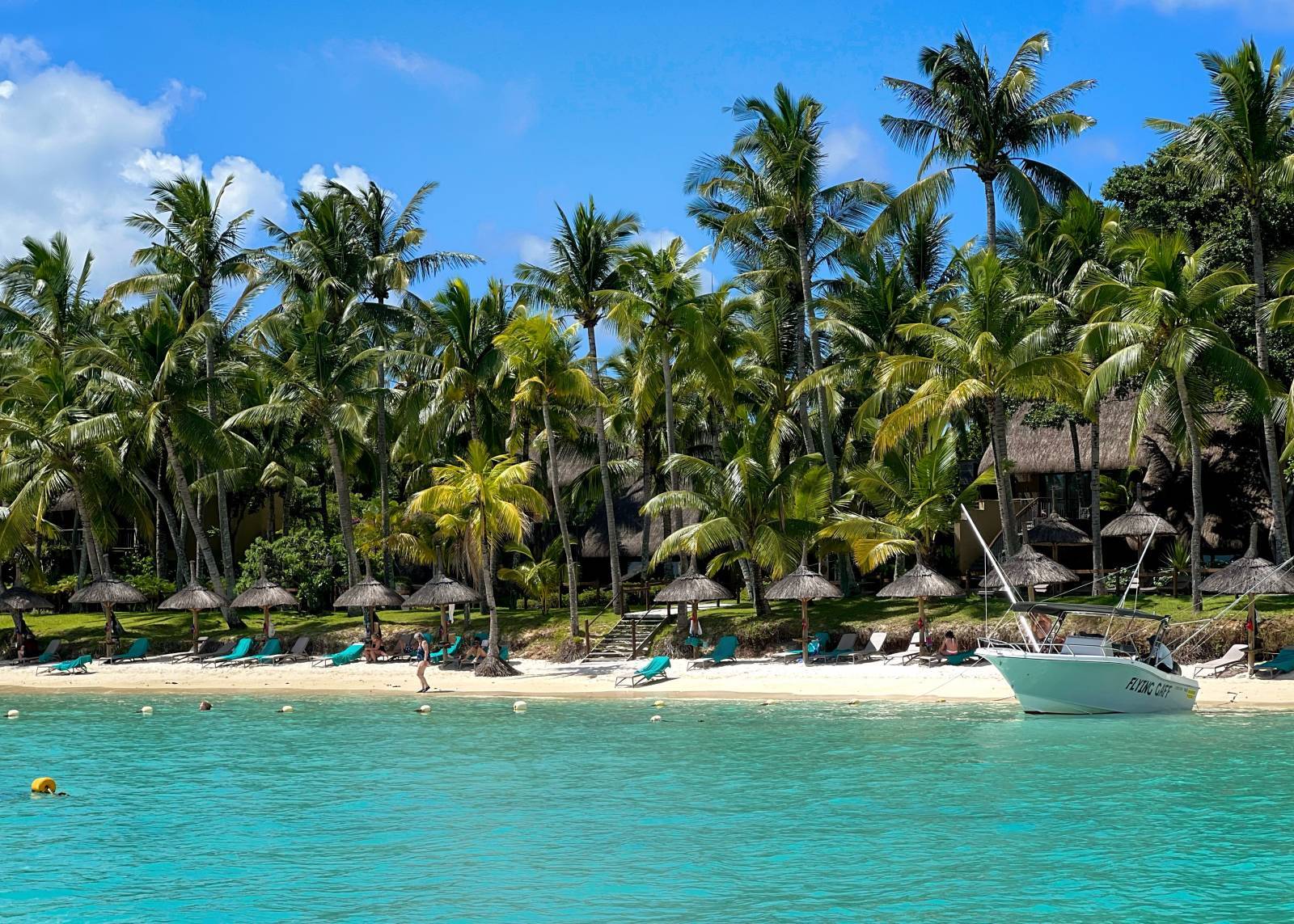
The east coast. Long beaches, clear lagoons and a noticeable breeze make the east popular for a quieter holiday, snorkelling and boat excursions to Île aux Cerfs. Wind can be ideal for kitesurfing, but always follow local advice about swimming conditions.
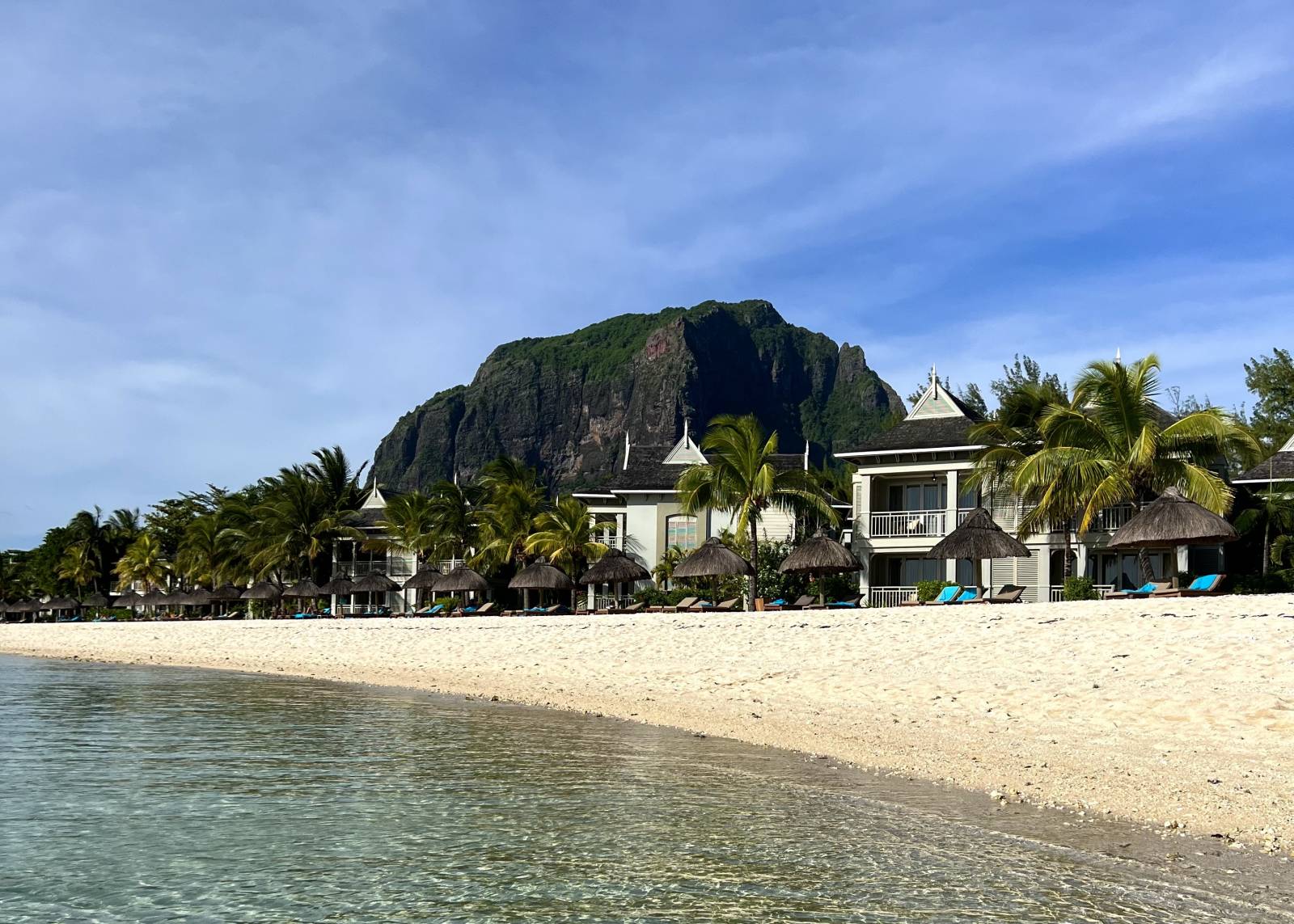
The west and south-west. The west is known for sunsets, sheltered bays, Flic en Flac and views of Le Morne Brabant. Dolphin and other marine excursions leave from this coast. Le Morne is both a natural and historic landmark; hikes require suitable footwear, a weather check and respect for the route rules.
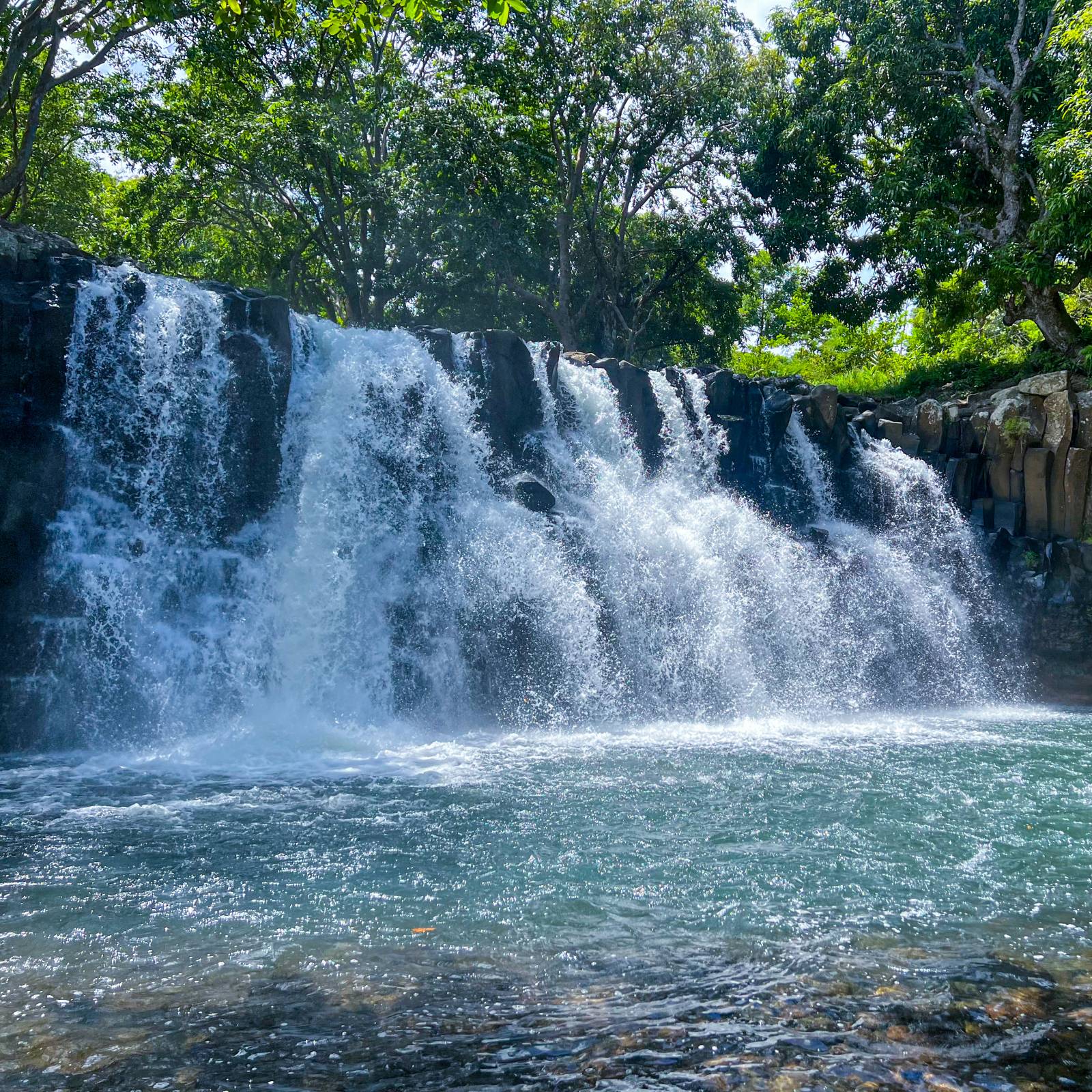
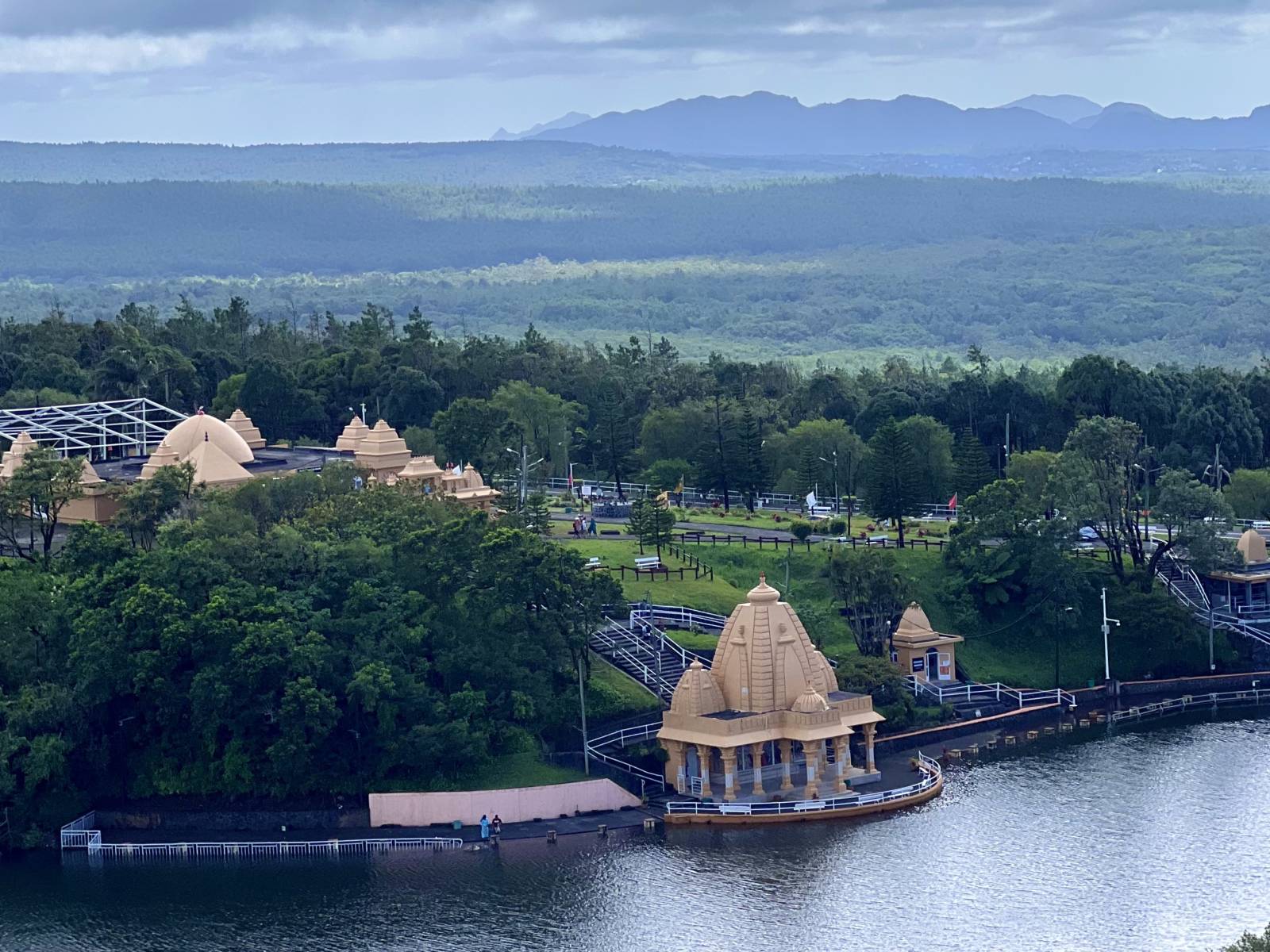
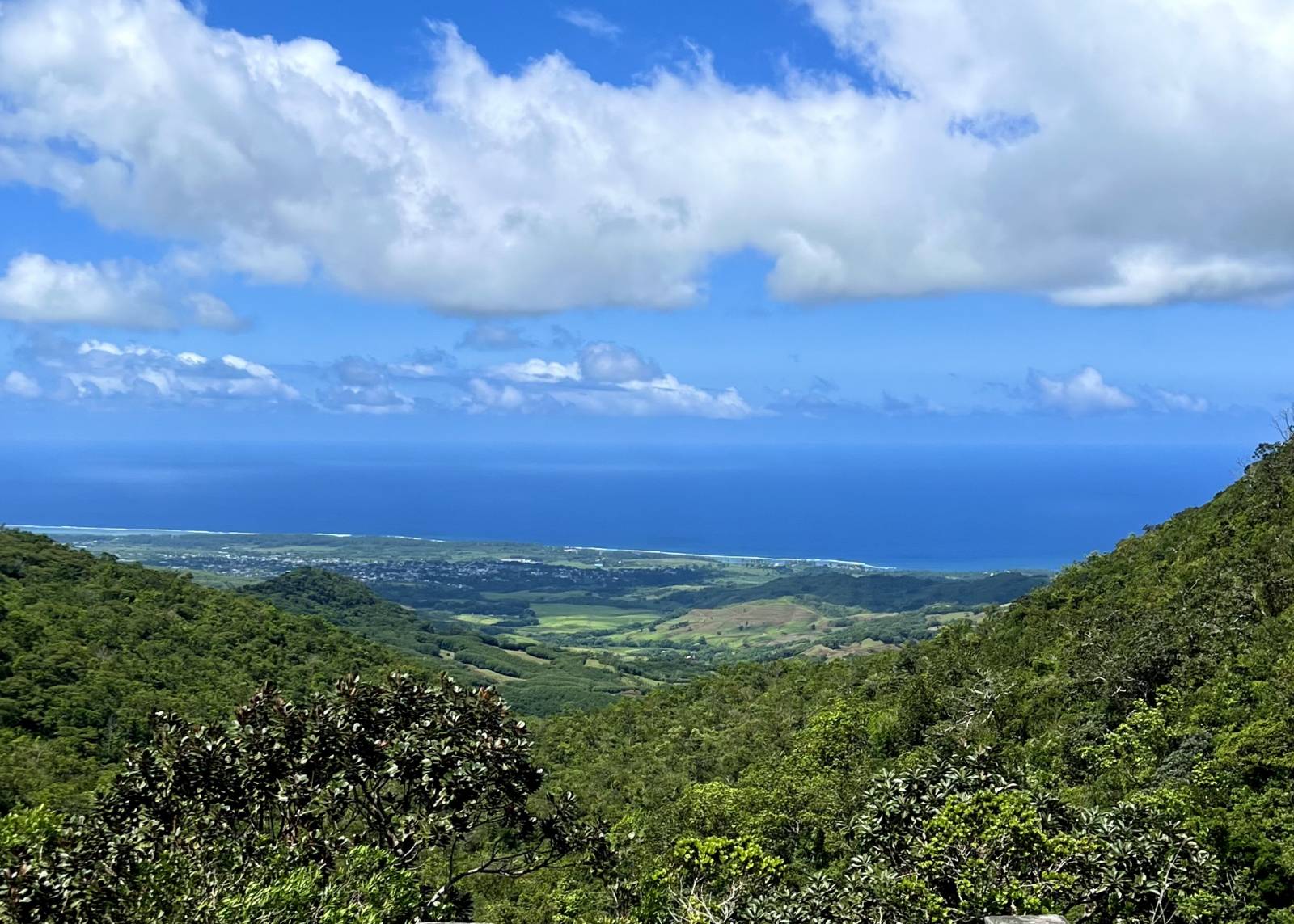
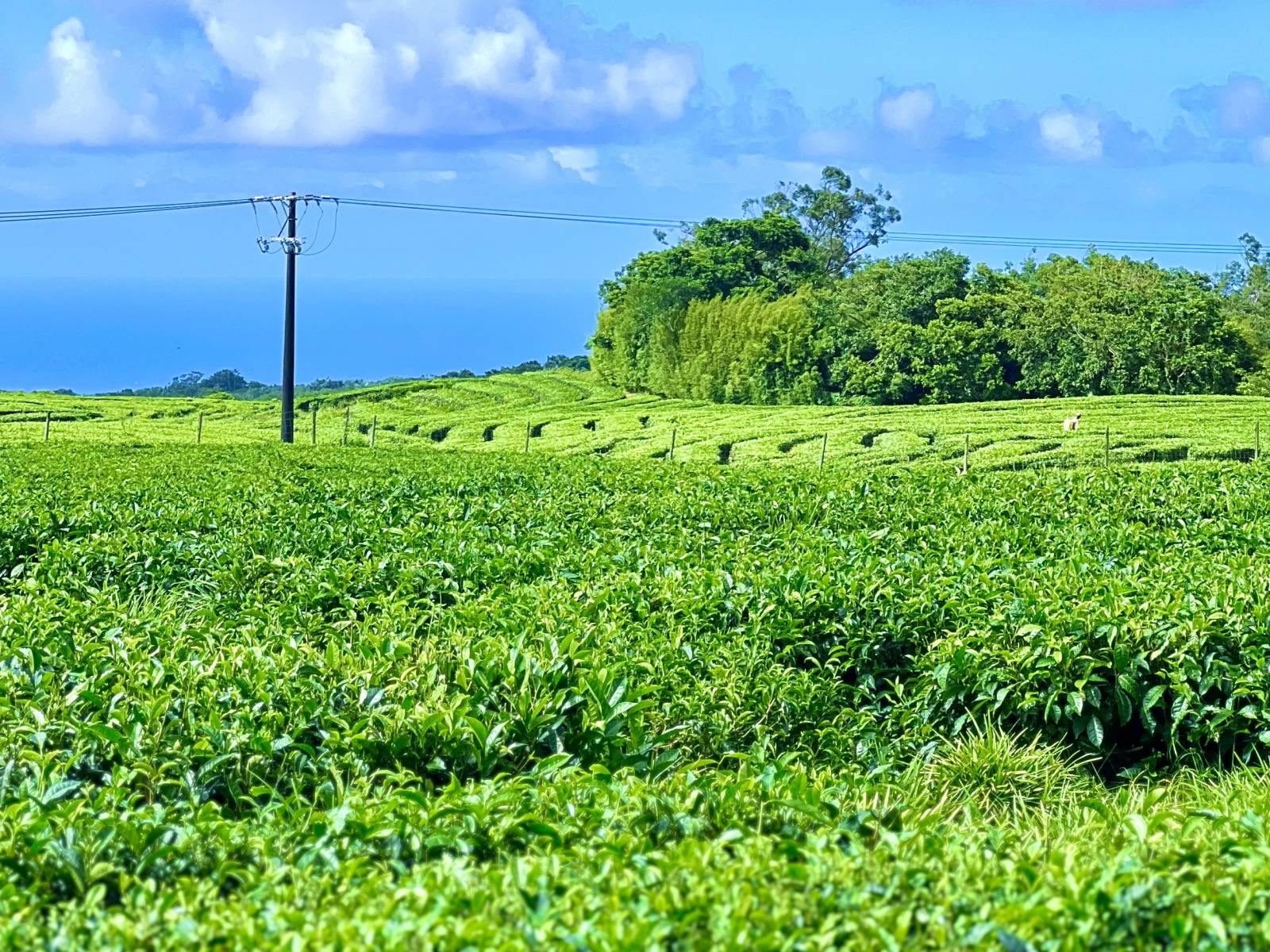
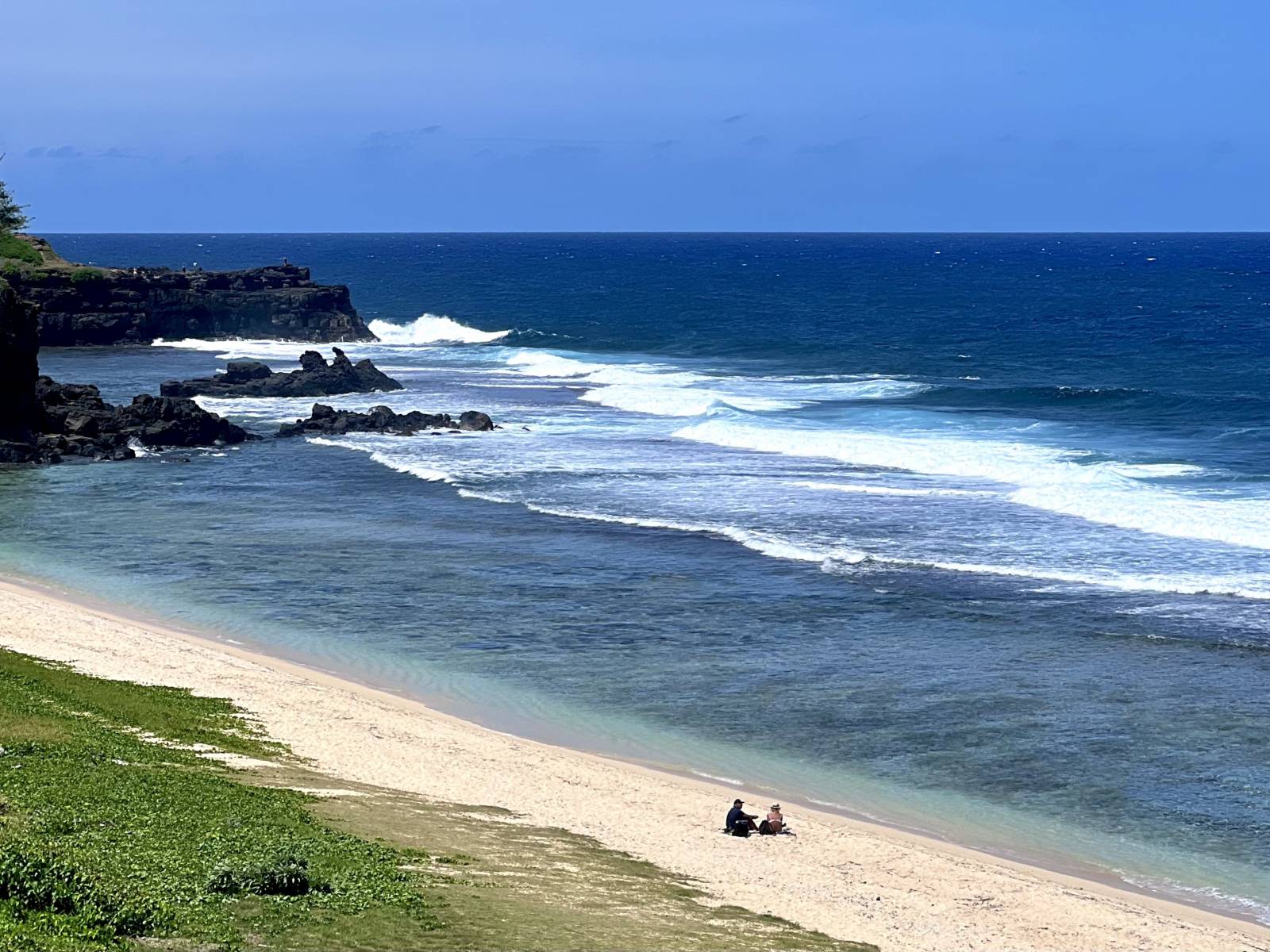
The south and centre. The south has wilder shores, cliffs, waterfalls and open landscapes. In the central area you can visit the plateau, tea estates, Trou aux Cerfs crater and Black River Gorges National Park. This region suits travellers who want to combine beaches with nature and walking.
Things to see and do
Mauritius is more than a resort holiday. Along the coast you can swim, snorkel, dive, kayak, paddleboard or join a catamaran cruise. Île aux Cerfs, Île aux Bénitiers and other islets are popular day-trip options; routes depend on weather and the operator.
Nature lovers can plan time for Black River Gorges, waterfalls, botanical gardens and conservation areas. Whale- and dolphin-watching should be organised with a responsible operator that respects distance and local rules. Read more about whale watching in Mauritius.
For culture, visit Aapravasi Ghat, a UNESCO World Heritage site in Port Louis, museums, colonial estates and places of worship. Mauritian history reflects African, Indian, Chinese, French and British influences, visible in music, festivals, languages and everyday life.
Food and island life
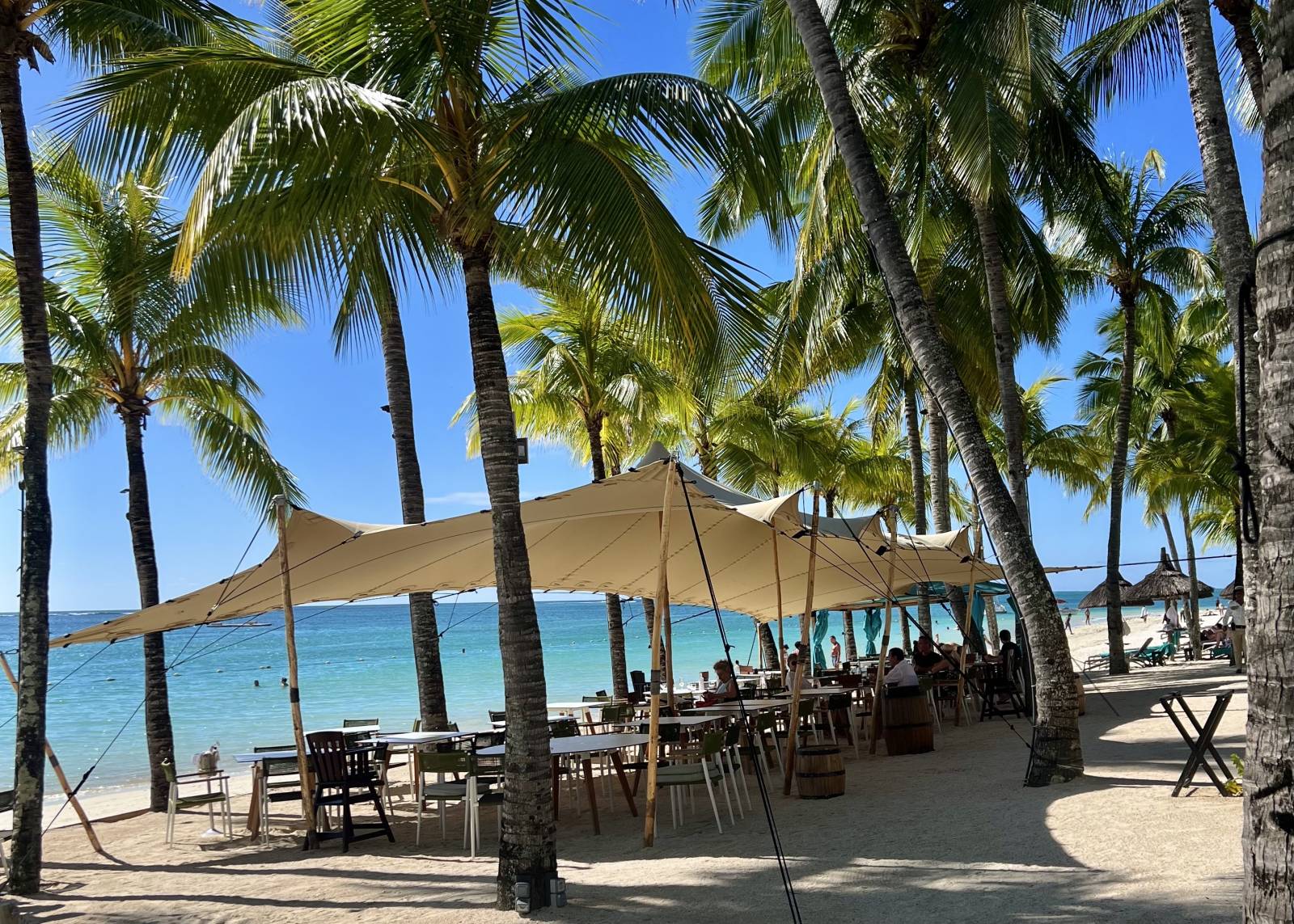
Mauritian cuisine brings together Indian, Chinese, Creole and European traditions. Try dholl puri, roti, curries, seafood, farci, noodles and street food at local markets. The island also produces rum, while tea plantations and factories offer another view of local food culture. See our guide to Mauritian cuisine.
Accommodation and getting around
Choose accommodation according to your travel style. A coastal resort is convenient for beaches and family facilities, apartments suit a more independent stay, while Port Louis and central areas are useful for frequent sightseeing or business trips. Book ahead during the high season, especially if a particular coast or beach matters to you.
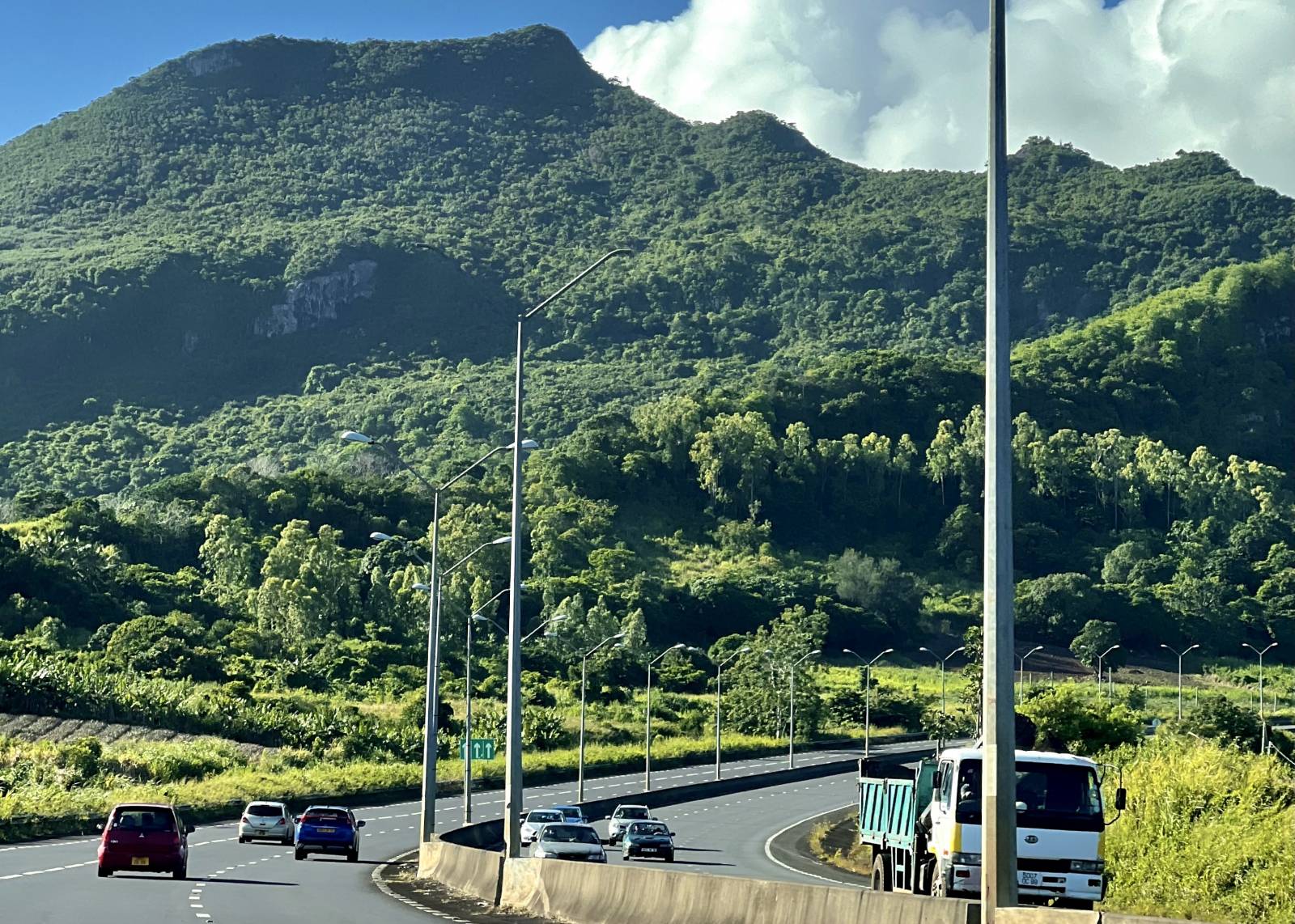
Buses, taxis, transfers and rental cars are available. A car gives more freedom, but Mauritius drives on the left and mountain or southern roads require care. Before renting, check documents, insurance, contract terms and parking rules. For boat trips, confirm the departure point, inclusions, weather limits and safety requirements.
Entry guidance for major nationalities
Requirements depend on nationality, purpose and the current official country list. A visa does not itself guarantee admission; the final decision is made by the immigration officer at the border. Check the official visa requirements and the country table before booking.
- Russia and Ukraine are listed as visa-exempt for short visits.
- EU countries, the United Kingdom, the United States, Canada, Australia, New Zealand, Japan and South Korea are listed as visa-exempt.
- India and China are listed as visa-exempt; check the current entry for your exact passport before travel.
- Belarus, Kazakhstan, Armenia, Azerbaijan, Georgia, Kyrgyzstan, Moldova, Tajikistan, Turkmenistan and Uzbekistan are listed for a 60-day visa on arrival.
- Sri Lanka, Thailand, Indonesia, Vietnam, Nepal and the Philippines are also listed for a 60-day visa on arrival.
- The UAE, Qatar, Saudi Arabia, Oman, Kuwait, Bahrain, South Africa, Seychelles, Brazil, Argentina, Chile and Paraguay are listed as visa-exempt.
- Bangladesh, Pakistan and several other countries require a visa before travel. The official site separately notes that Guyanese nationals must obtain a visa before travelling.
Regardless of visa status, travellers generally need a passport valid beyond the intended stay, a return ticket, the right to re-enter their country of origin or residence, sufficient funds and confirmed accommodation or sponsorship. Gainful work without the appropriate residence permit is not allowed. Visa applications may require a form, photographs, passport copy, ticket, bank statement and accommodation documents; visas and extensions are free.
At the time of this update, the official travel advisory also requires passengers to complete the All-in-One Travel Form and Health Declaration Form before boarding. Temporary restrictions apply to passengers who were in or transited through the Democratic Republic of the Congo, Uganda or South Sudan during the previous 21 days. Recheck these requirements immediately before departure.
In conclusion
Mauritius works for many travel styles: a quiet beach break, a family holiday, an active route through mountains and waterfalls, a food-focused trip or a longer stay. A balanced itinerary usually combines several regions: time by the sea, a visit to Port Louis and the interior, and a few unhurried days on the chosen coast. Check entry rules, remember the left-side traffic and leave some flexibility for weather so the island can be enjoyed at its best.