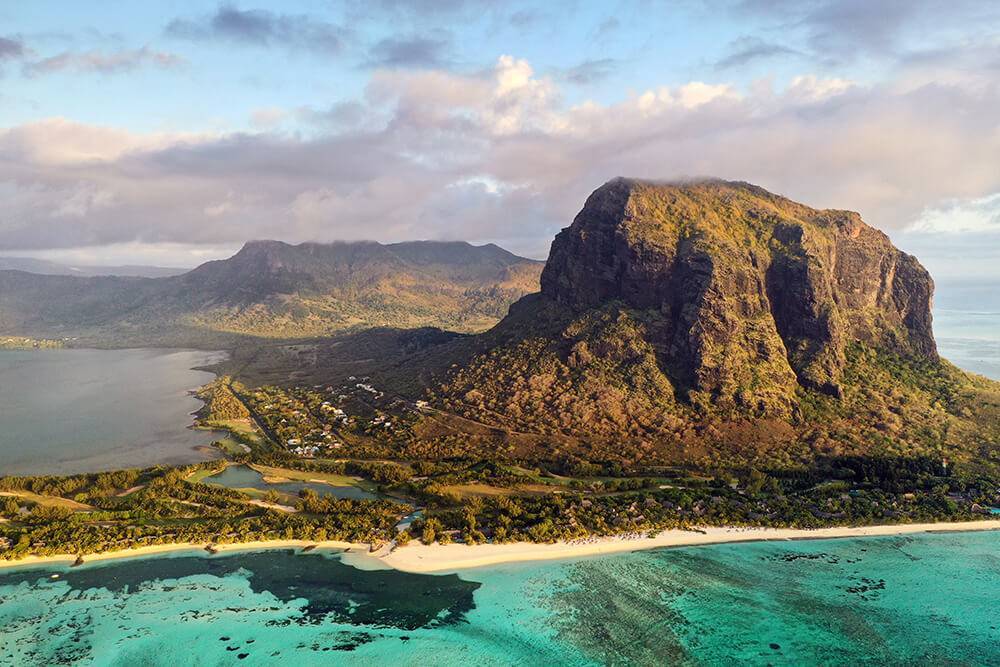
Mauritius is an island with a history that is much richer than its beaches and coral reefs suggest. Arab sailors, Portuguese navigators, Dutch settlers, French administrators and British colonial rule all left their mark here. Later, independence turned the island into a multicultural state with its own political and economic path. This is the story of how Mauritius moved from an uninhabited stop in the Indian Ocean to the modern country visitors see today.
Early history
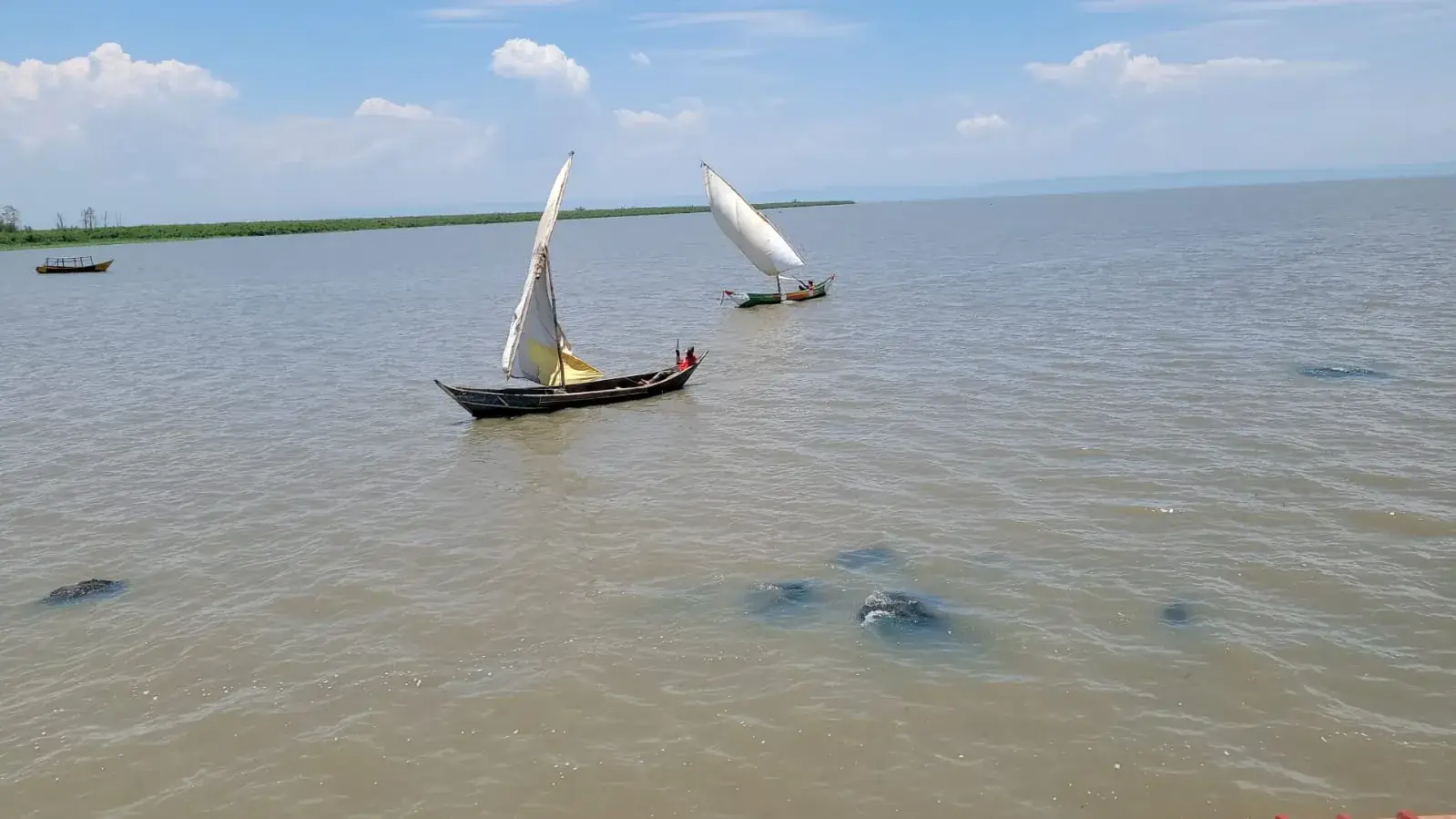
Арабские парусные суда
Arab sailors are traditionally considered the first people to discover the island. They reached it in the tenth century and called it “Dina Arobi”. The island easily fits the imagination of the Arabian Nights: perhaps Sinbad the Sailor and his companions moored their light, two-masted dhows here before meeting the legendary Roc, a bird said to feed its chicks with elephants. In the story, the traveller then flew on the bird to the valley of diamonds.
Some researchers have suggested that the frightening bird described in the Sinbad stories may have been a distorted memory of the dodo, the flightless bird of Mauritius that disappeared after human settlement.
The Arabs were interested in building trading networks, while a small uninhabited island in the ocean offered little reason to establish a permanent settlement. The Portuguese, who arrived in 1502, are therefore usually regarded as the island’s first true European explorers. They used Mauritius as a stopover on the route to India and Malacca and gave the wider archipelago the name Mascarene Islands. The name came from the Portuguese navigator Pedro de Mascarenhas, who lent his own name to the group. Portugal was at the height of its maritime expansion, and Mauritius became another point on its map. Portuguese explorers charted the island and left some of the first written European references to it.
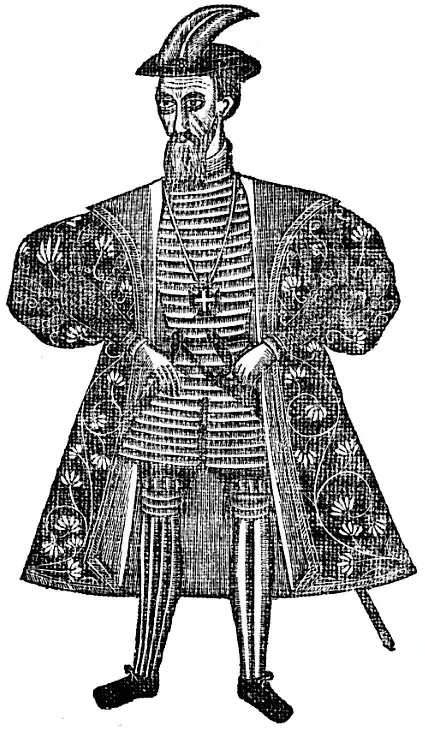
Педру Машкареньяш
The Portuguese did not settle the island either. They used it as a temporary anchorage where ships could replenish provisions and crews could rest on the long journey towards India.
The Dutch period
After the Portuguese, Mauritius entered a new chapter. In 1598, Dutch sailors led by Admiral Wybrand van Warwyck arrived and introduced the island to Europe under the name Mauritius, after the Dutch prince Maurice of Nassau. This marked the beginning of the first European settlement and the island’s use as a strategic stop on routes towards the East.
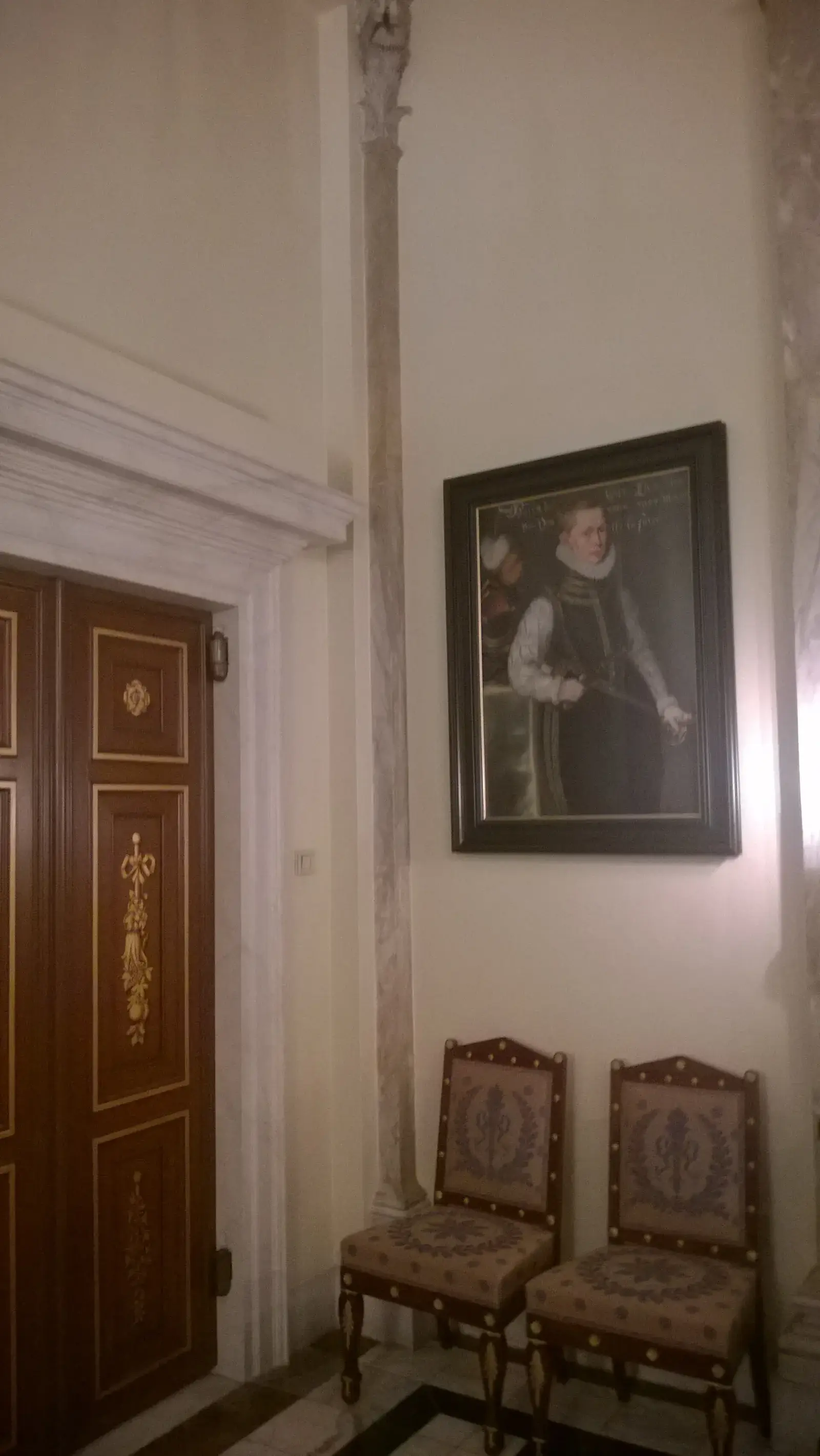
Мориц Оранский
The Dutch brought more than their own symbols. They began using the island’s resources and introduced sugar cane, which later became one of the foundations of the Mauritian economy, as well as ebony, valued for luxury furniture and interior objects. This period also carries a tragic legacy: the extinction of the dodo. The flightless bird became a symbol of Mauritius, but it could not withstand the new pressures brought by people and introduced animals. It survived only in historical records and scientific work.
The Dutch period laid the groundwork for later European influence and for the changes that would permanently reshape the island.
The French period
At the beginning of the eighteenth century, the French arrived and renamed the island Île de France. Among the foreign figures who shaped Mauritius, François Mahé de La Bourdonnais occupies a special place. His statue in Port Louis, dressed in an eighteenth-century coat and wig, recalls the role of the governor who helped develop the island.
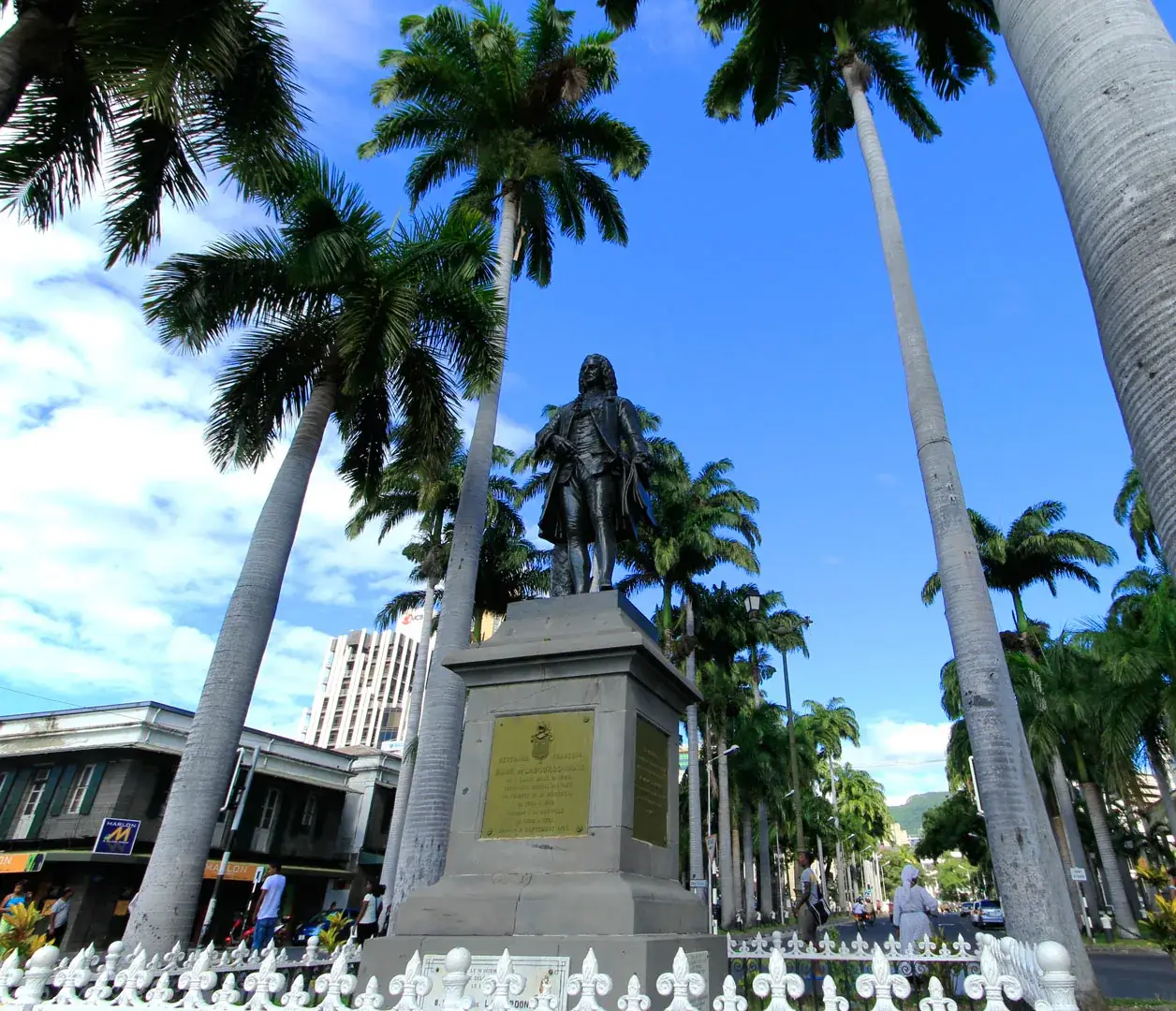
Статуя Лабурдонне в Порт-Луи
La Bourdonnais came to Mauritius with a royal commission and ambitious plans to improve the colonists’ lives and strengthen the island’s economy. He believed Mauritius had to use its land more effectively and become more self-sufficient.
Under his leadership, the island changed rapidly. La Bourdonnais introduced cassava, cotton, indigo and sugar cane, built Mauritius’s first sugar mill and started exporting sugar. These steps became the basis of an economic rise. The town of Mahébourg was named in his honour, while its port developed as a centre of trade and production. Roads, bridges, hospitals and factories appeared, and the island became more attractive to new residents and investment.
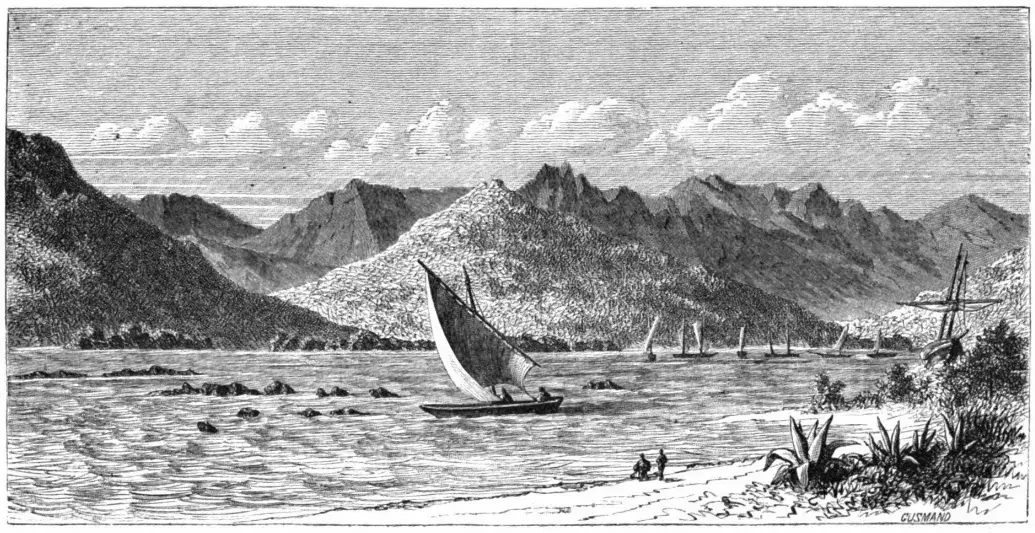
Гран-Порт близ Маэбура
Despite these efforts, Mauritius soon entered a period of tension. French and British rivalry in the Indian Ocean intensified because every piece of land between southern Africa and the Indian subcontinent had strategic value. Control of Mauritius, the “star and key” of the Indian Ocean, promised major advantages for maritime trade and military planning.
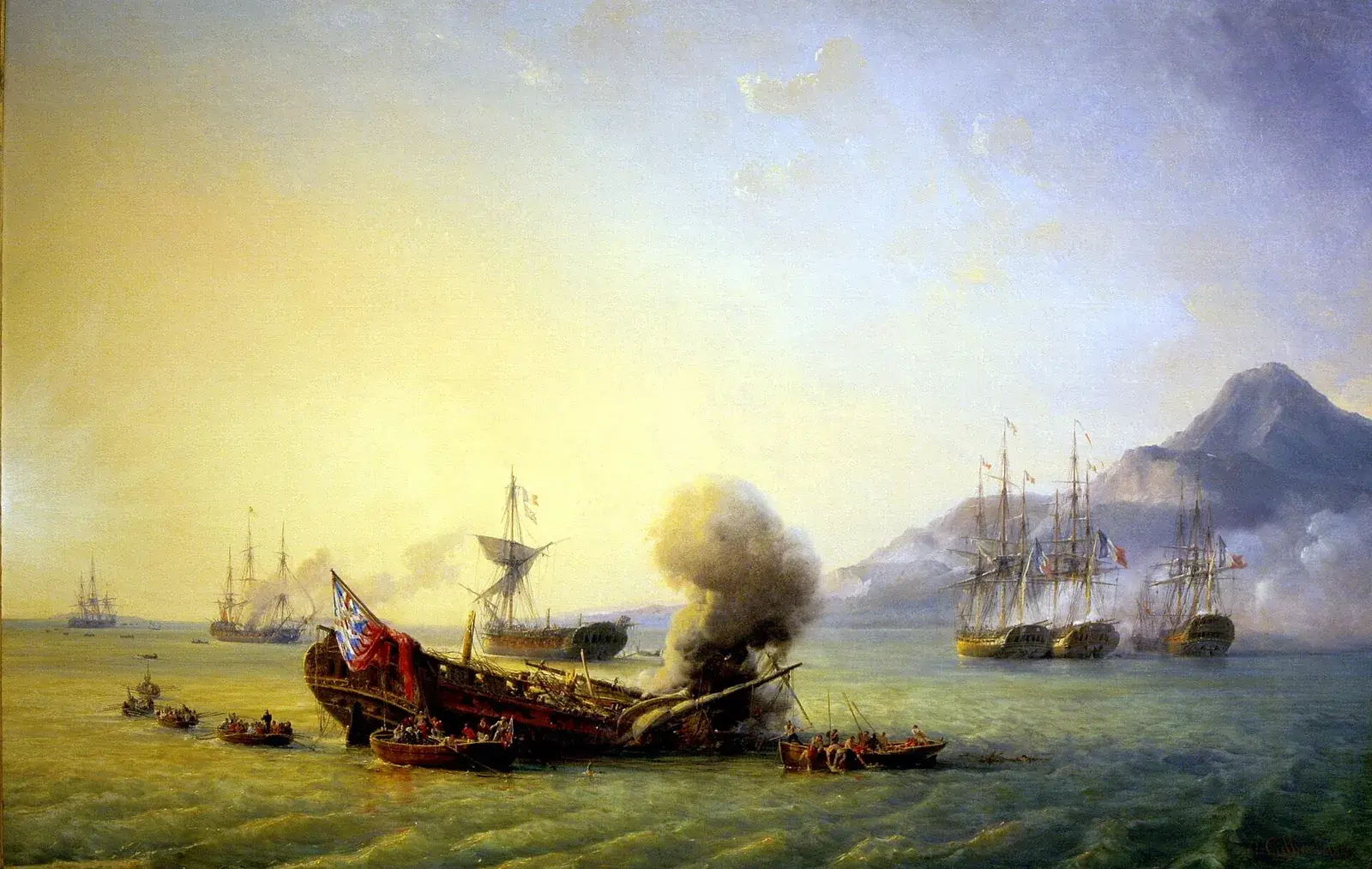
Битва при Гран-Порте
In 1810, British forces moved against French control of the main trade routes. The Battle of Grand Port began on 20 August and entered history as a major naval engagement that demonstrated French maritime skill. It is often described as the only naval victory won by the French during the Napoleonic era, and the event is commemorated on the Arc de Triomphe in Paris. The French artist Pierre-Julien Gilbert later captured the battle in a painting, preserving one of the most dramatic episodes in Mauritius’s history.
The British period
In December 1810, after prolonged fighting in the Indian Ocean, British forces captured Mauritius by landing near Cap Malheureux — “Cape of Misfortune”. The operation brought the island under British control. The transfer was confirmed by the Treaty of Paris in 1814, and the island’s earlier name, Mauritius, returned to official use.
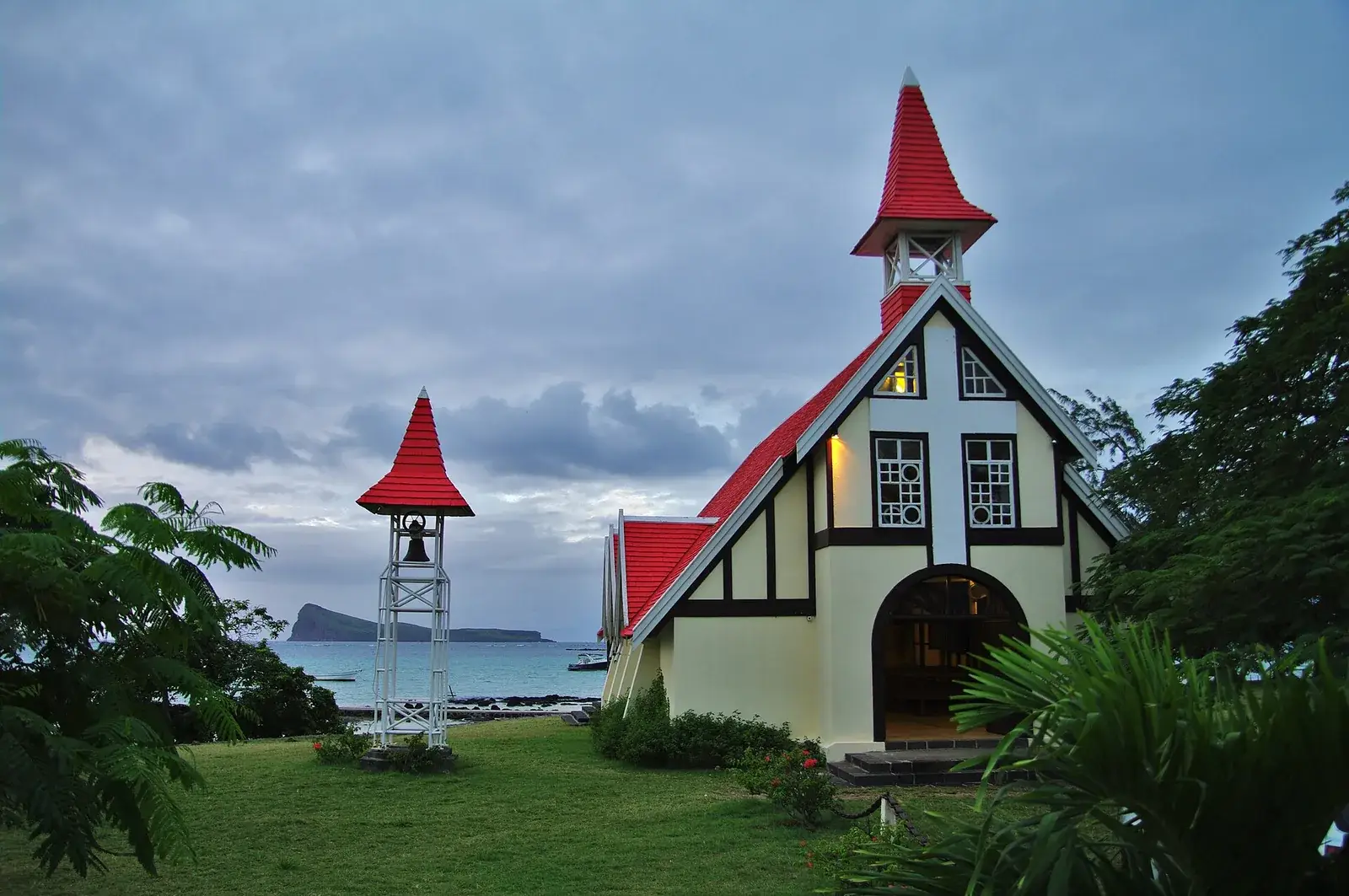
Церковь Нотр-Дам-Оксилиатрис в Кап-Малере
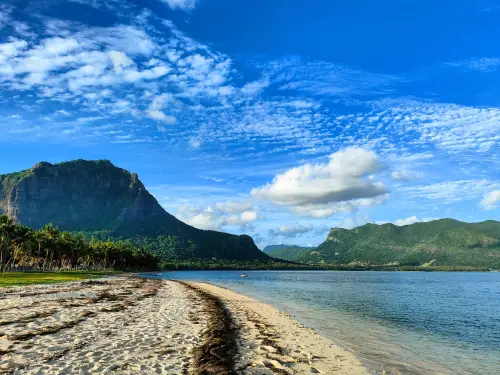
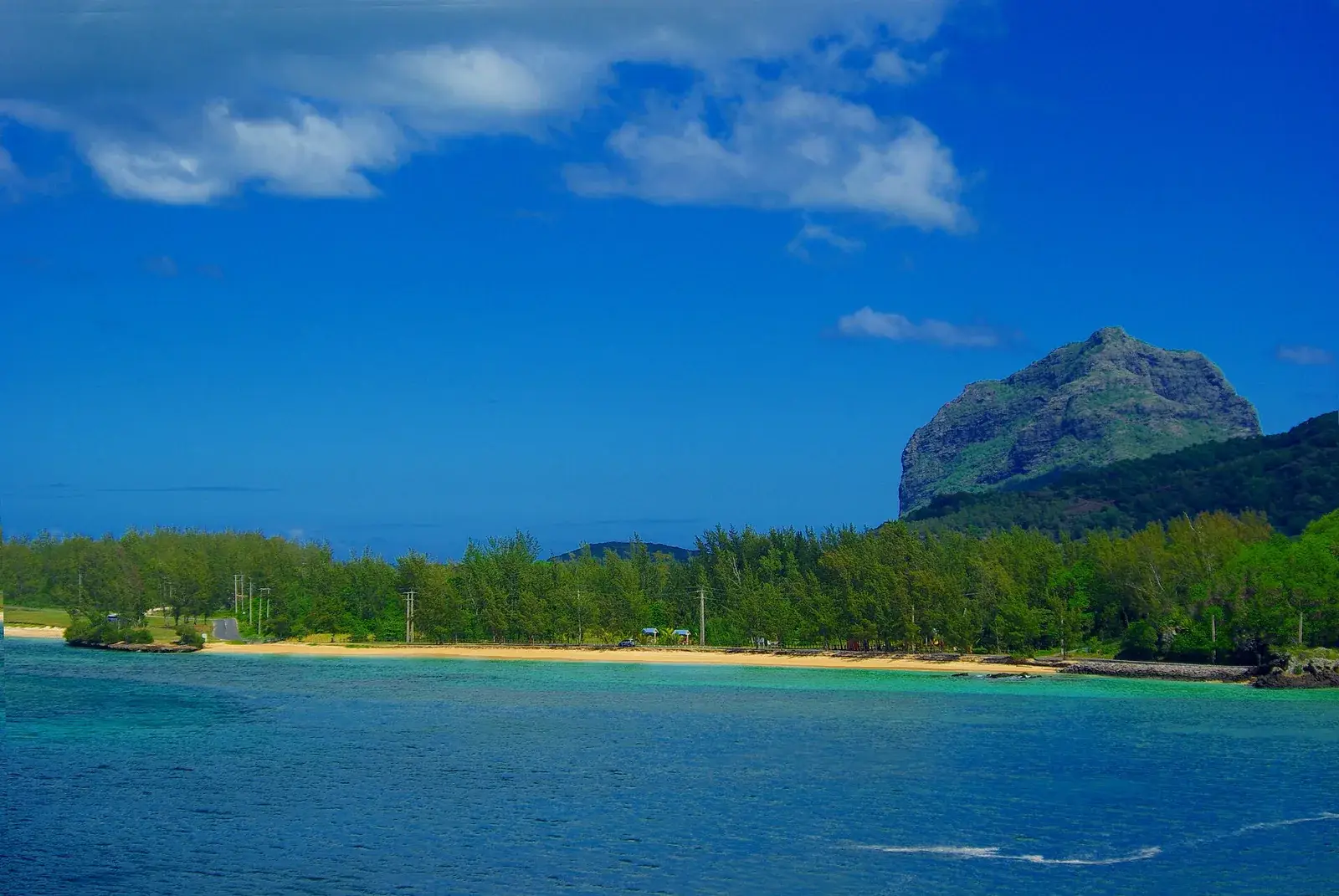
At that time, Mauritius had a population of about 70,000 people, most of them African slaves. A decisive change came with the abolition of slavery in 1835. The event left a deep mark on the island’s history and culture. Le Morne Brabant, which became a refuge for escaped slaves, represents both the tragedy and the courage of their struggle for freedom.
Гора Ле-Морн-Брабант
Some slaves fled because of brutal conditions, beatings and torture. The steep cliffs and narrow passages of Le Morne allowed them to hide from plantation owners and authorities. After slavery was abolished, British soldiers were sent around the island to spread the news. Several also reached Le Morne to tell the people hiding there that they no longer needed to remain fugitives. Seeing soldiers in the distance, however, some of the refugees ran in fear; some fell from the cliffs and others jumped, choosing death over captivity. They never learned that the soldiers had come to announce their freedom.
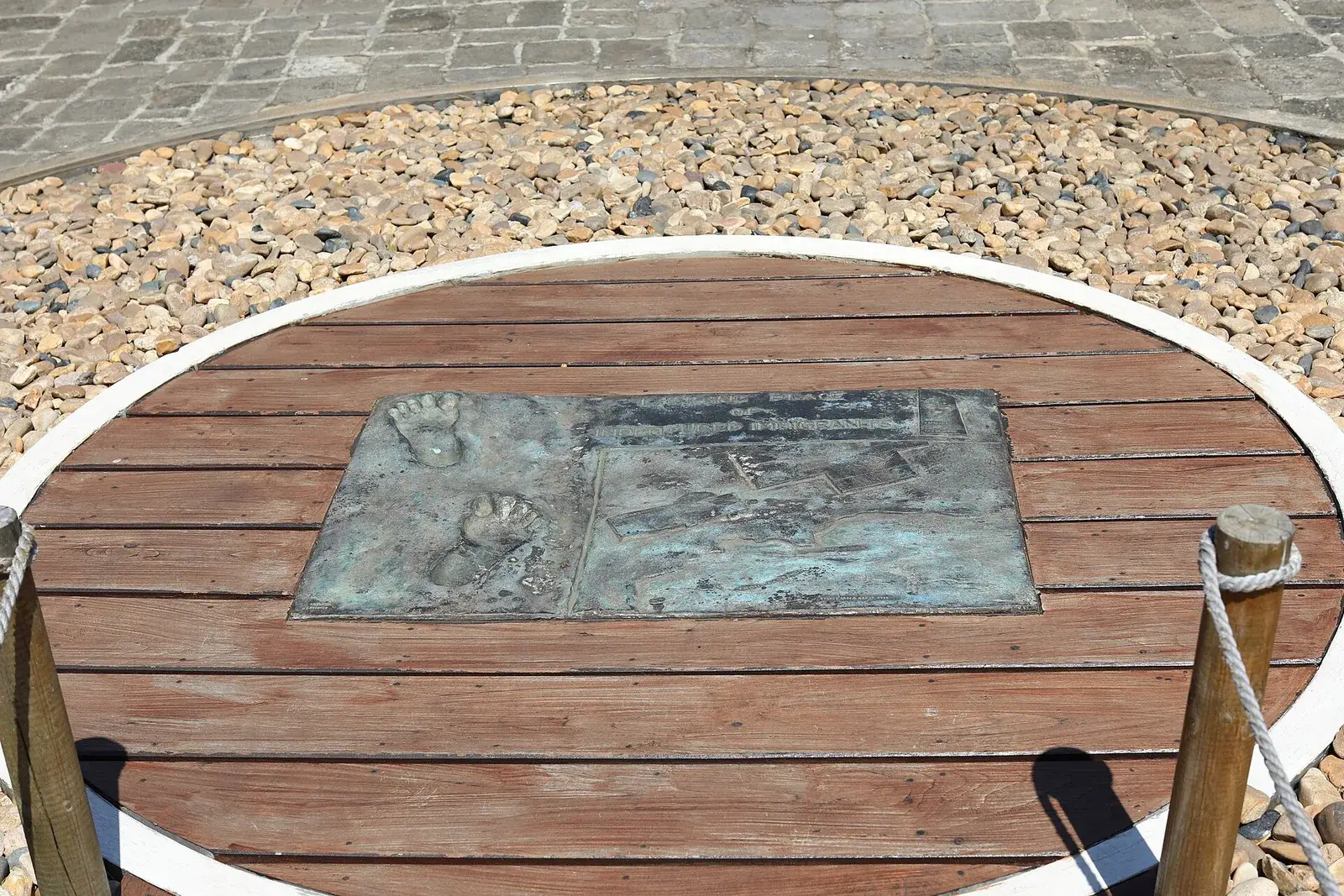
Planters received £2 million in compensation for the abolition of slavery. The British government then chose Mauritius for an experiment in replacing enslaved labour with “free” workers. Between 1849 and 1920, almost half a million workers arrived from India. They passed through Aapravasi Ghat, a name that means “immigration depot” in Hindi. In 2006, the remains of the terminal became a UNESCO World Heritage Site.
Ааправаси-Гхат
This combination of communities and traditions created a distinctive Mauritius, where different cultural practices and celebrations continue to shape the identity of the modern island.
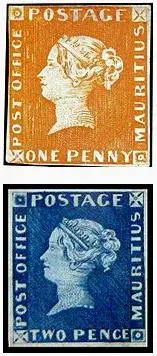
The British period also saw the development of the postal system. Its most famous symbols are the “Blue Mauritius” and “Orange Mauritius” stamps, issued in 1847. They became among the world’s most valuable stamps and are now associated with the island’s unusual place in global cultural history.
Марки «Пост-офис» Маврикия 1847 года
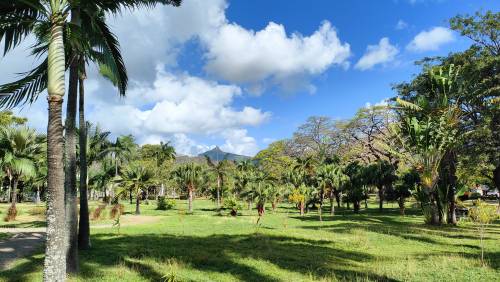
The year 1960 is often regarded as the beginning of tourism in Mauritius. The first European visitors arrived for holidays, and sites such as the Chamarel area and Pamplemousses Botanical Garden began to be presented to them as attractions. The garden is known for its giant water lilies.
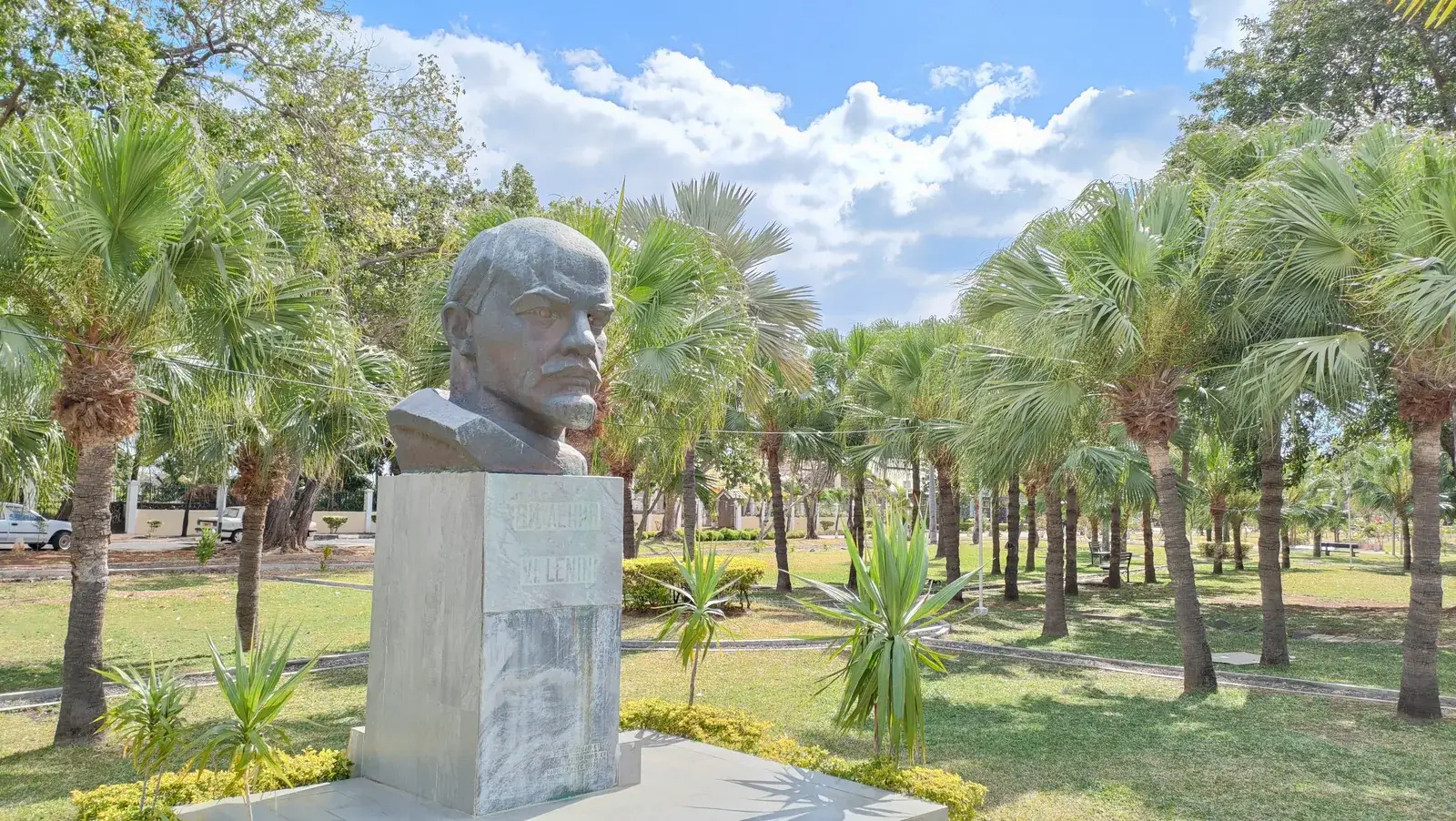
Mauritius became independent in 1968, opening a new chapter. The Soviet Union was the first country to congratulate the island and quickly establish diplomatic relations, according to accounts from that period. The relationship included opportunities for Mauritians to study in Soviet educational institutions, trade cooperation and the distribution of Marxist-Leninist literature. Contemporary newspapers wrote that, as a symbol of gratitude for the support of the world’s first socialist state, a monument to Lenin was installed in Port Louis in January 1973.
Памятник Ленину на Маврикии
On 6 February 1975, Mauritius was struck by a powerful tropical cyclone. The storm raged for several days and almost completely destroyed buildings, crops and power lines. The island lay in ruins and everyday life nearly stopped.
French and American military ships were among the first to offer help, but local residents saw them as former colonial powers and refused their assistance. A Soviet cruiser, Dmitry Pozharsky, which was serving in the northern Indian Ocean at the time, then headed towards the island.
Over twelve days, the ship’s electricians restored 240 kilometres of power lines, sailors cleared roads and the crew donated 32 litres of blood to a hospital.
The Republic of Mauritius
On 12 March 1992, Mauritius became a republic. The island demonstrated its ability not only to recover and develop after natural disasters, but also to create a distinctive combination of cultures and traditions. Today Mauritius is home to many remarkable animals, including sperm whales and giant tortoises, and offers visitors a wide range of active experiences.
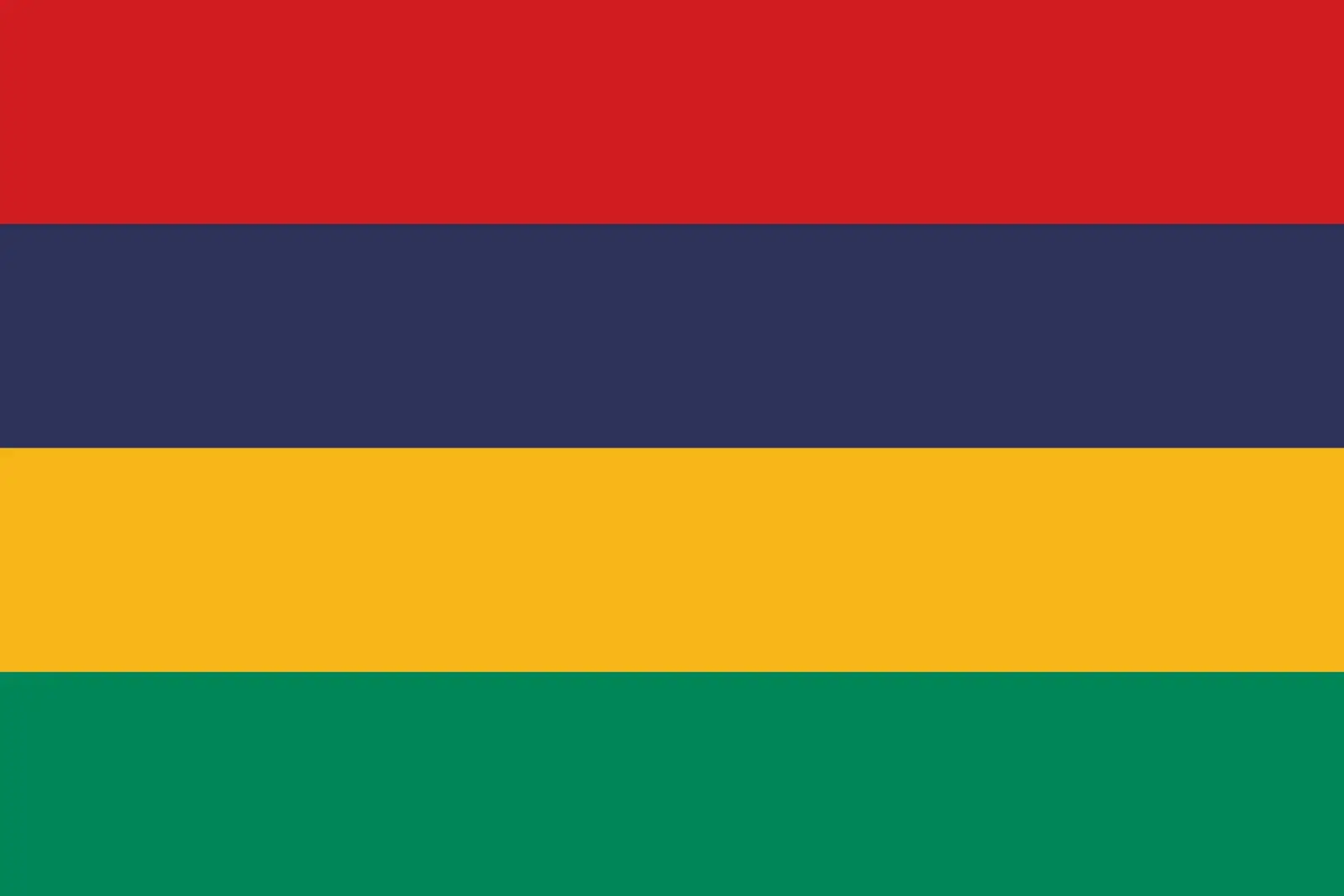
Флаг Республики Маврикий
The economic and social achievements of modern Mauritius reflect its success on the international stage. The country takes an active part in the global economy, tourism and foreign policy, offering an example of development built through cultural interaction.
Mauritius travelled from a small, uninhabited island known to Arab sailors to a modern state with a rich multicultural fabric. Every stage — from Portuguese exploration to British colonial rule — left a mark on its identity and helped form the country visitors know today.
Independence in 1968 and the creation of the republic in 1992 opened the way to self-determination and development based on equality, diversity and cooperation. Those principles became part of modern Mauritian society, where mutual respect between communities remains central to social stability.